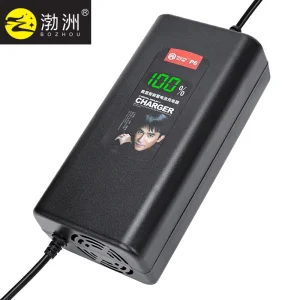
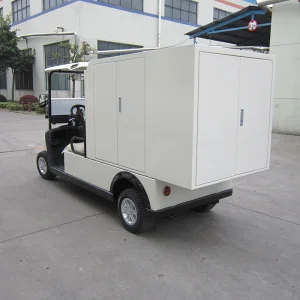
Engineered for absolute reliability, structural compatibility, and high performance across commercial golf cart variants.
In the modern automotive spectrum, Low-Speed Vehicles (LSVs), personal transport vehicles (PTVs), and utility fleet electric carts play an increasingly pivotal role in global short-distance transit. From massive, rolling golf courses and luxury hospitality properties to gated residential developments and demanding industrial complexes, safe, predictable operation relies directly on one crucial mechanism: the golf cart drum brake system. As these light electric vehicles (LEVs) transition from lead-acid batteries to heavier lithium payloads and high-torque motors, braking engineering has shifted from standard accessory grades to automotive-safety thresholds.
A golf cart drum brake relies on a high-friction interaction between internally expanding brake shoes and a rotating iron cylinder. This system continues to dominate the industry due to its intrinsic mechanical benefits. Its design offers superior protection against environmental debris such as dust, turf clippings, sand, and mud. When evaluated against hydraulic disc brake counterparts, the drum brake mechanism remains the absolute industry gold standard. It provides unmatched cost-to-longevity efficiency and integrates an exceptionally reliable mechanical parking brake system—a vital feature for vehicles that operate on steep, undulating terrains.
The standard drum brake assembly functions via a mechanical cable tensioner or hydraulic cylinder. It forces non-asbestos friction linings outward against the inner circumference of the drum. This layout leverages "self-energizing" geometry. The rotation of the drum naturally pulls the leading shoe tighter into the contact face, generating high braking torque with minimal input force.
To understand the current state of global sourcing and supply chain trends, one must analyze the complex requirements of distributors and fleet operators in North America and Western Europe. Brands like Club Car, EZ-GO, and Yamaha demand strict dimensional tolerances and material certification. Meeting these requirements is critical to prevent dangerous brake fade, squeals, or uneven lockups. This article explores the engineering requirements, material sciences, and industrial advantages of choosing a premium Chinese factory as your strategic partner for manufacturing and exporting golf cart drum brakes.
An effective drum brake setup is more than a simple metal shell; it is an assembly of closely calibrated components working in harmony. The engineering parameters dictate that each element must withstand high operating temperatures without structural deformation or loss of friction performance.
The rotating drum must feature high thermal conductivity and excellent damping capacity. Premium factories utilize GG20/GG25 cast iron alloys, preventing micro-cracks under sudden thermal loads.
Formulated from semi-metallic or ceramic matrix compounds, ensuring a consistent friction coefficient (μ) between 0.35 and 0.42 across cold and hot operational cycles.
Engineered with auto-adjuster star wheels that automatically compensate for lining wear, maintaining precise pedal travel and consistent brake response over thousands of miles.
Furthermore, structural corrosion is a common issue for golf carts operating in coastal resorts, humid environments, and fertilizer-heavy golf courses. To counter this, premium backing plate assemblies undergo advanced electrocoating (E-coating) or hot-dip galvanization. This treatment provides over 500 hours of salt spray resistance testing under ASTM B117 standards. Additionally, return springs and adjuster springs must be wound from high-tensile music wire (Grade C/D) to prevent fatigue and slackness over time.
| Performance Metric | Premium OEM Standard | Entry-Level Standard | B2B Sourcing Importance |
|---|---|---|---|
| Friction Material Compound | Ceramic/Kevlar semi-metallic (Non-Asbestos) | Organic composite (Fast wear) | Long-term wear resistance & reduced brake dust |
| Salt Spray Resistance | ≥ 500 Hours (ASTM B117) | < 96 Hours (Basic paint coating) | Crucial for coastal rentals and high-humidity resorts |
| Drum Hardness Rating | 180 - 230 HBW (Brinell Hardness) | < 150 HBW (Prone to grooving) | Controls structural deflection and thermal fade |
| Dimensional Tolerances | ± 0.05 mm (CNC Ground) | ± 0.25 mm (Standard lathe turn) | Prevents high-speed vibrations and brake squeals |
For global buyers, purchasing from a premier Chinese factory is more than a cost-saving measure—it is a strategic decision to leverage unmatched production capacity and technical expertise. Modern Chinese manufacturers operate in highly integrated automotive and parts manufacturing clusters. This proximity streamlines the supply of raw materials, from foundry-poured gray iron to high-tensile backing plates, ensuring efficient logistics and shorter production cycles.
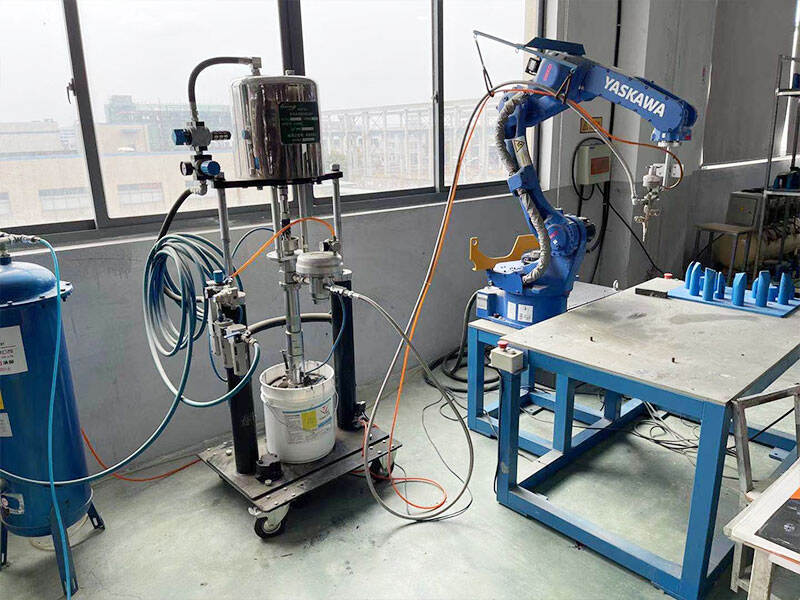
Our facility combines automated CNC casting lines, computer-controlled vulcanization presses for friction lining application, and automated testing equipment. These technological assets ensure every batch exhibits consistent dimensional stability and shear strength. This robust manufacturing framework allows us to deliver high volumes with rapid lead times, helping global distributors keep inventory costs low and maintain consistent product availability.
By using thermosetting phenolic resins cured under high pressures (exceeding 15 MPa) at 160°C, we guarantee that the shear bond strength between the lining and the brake shoe exceeds 3.5 MPa, easily surpassing standard safety requirements.
Golf cart platforms serve diverse environments globally, and each demands unique performance profiles from the braking system:

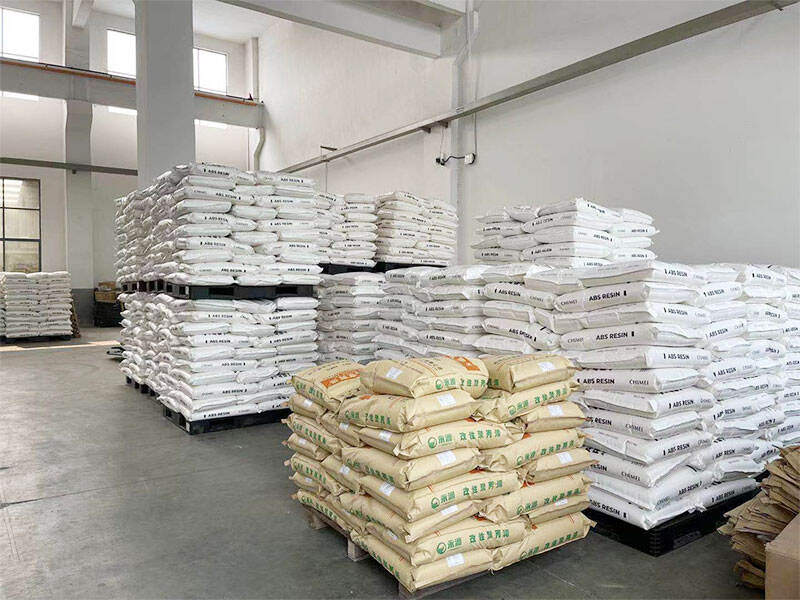
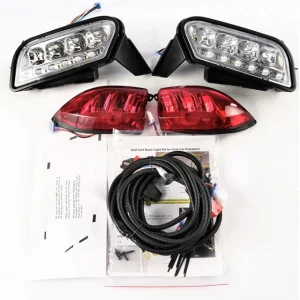
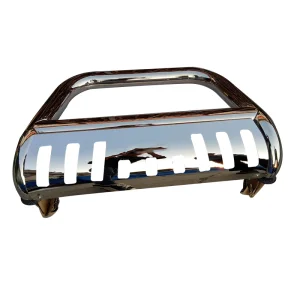
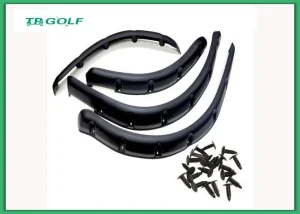
Founded in 2007, our company stands as a premier manufacturer and exporter with over 18 years of experience in the golf cart and light vehicle components industry. We design, engineer, and manufacture an extensive catalog of parts, including custom light kits, wire harnesses, bumpers, structural tops, body panels, turn signal kits, custom dashboards, fender flares, and wheel covers. Our assemblies support major vehicle manufacturers like EZ-GO, Club Car, and Yamaha.
Our commitment to innovation is reflected in our advanced LED light kits. By incorporating cutting-edge technologies like RGB & RGB LUX control, sequential turn indicators, daytime running lights, high/low beam lenses, and wide-voltage integration (12-60V), we have established ourselves as an industry leader in both electronic and mechanical components.
Our commitment to reliable quality and manufacturing integrity has earned us long-term partnerships with leading global distributors, including Nivel, Madjax, and Red Hawk, alongside prominent domestic electric vehicle brands. We are dedicated to providing global markets with certified parts that meet strict international safety and performance standards.
We believe global supply chains require absolute consistency, transparency, and risk mitigation. That is why we implement strict control policies across all product lines:
All finished assemblies undergo functional, dimensional, and fatigue testing before shipping. Experienced quality control personnel supervise every step of production.
We stand behind the quality of our parts. In the rare event of a material defect, we cover all costs to replace the affected components.
We protect our clients' investments. Custom molds, tooling, and designs are kept confidential and are never cross-sold to third parties.
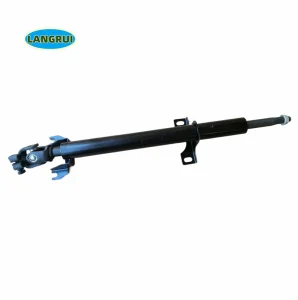
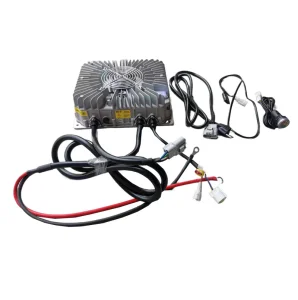
Premium replacement parts, steering mechanisms, and chargers designed for durability and ease of installation.
 Mingni Golf Carts