Premium grade components engineered to meet exact manufacturer specifications for Club Car, EZGO, and Yamaha fleets.
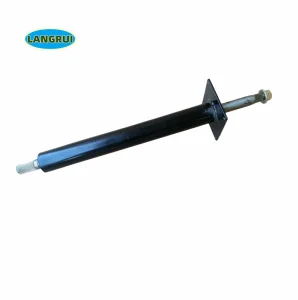

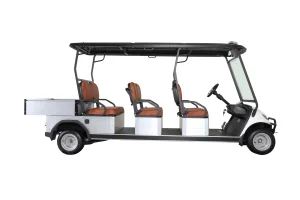
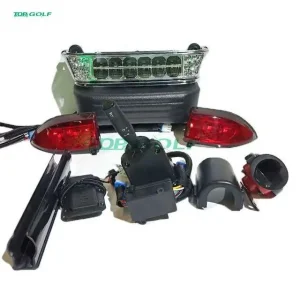
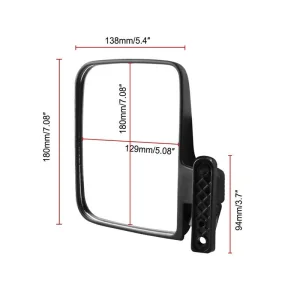
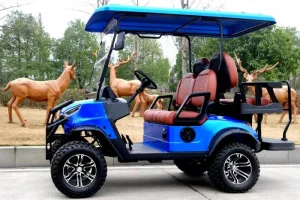

Established in 2007, our organization has served as a cornerstone of the global light vehicle parts supply chain for over 18 years. As a leading manufacturer and exporter, we specialize in high-reliability components for Club Car, EZGO, and Yamaha utility vehicles, bridging the gap between raw engineering specifications and actual golf course durability.
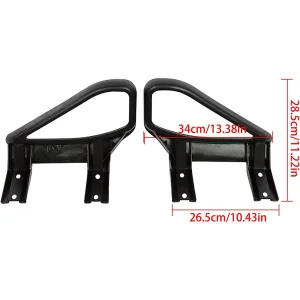
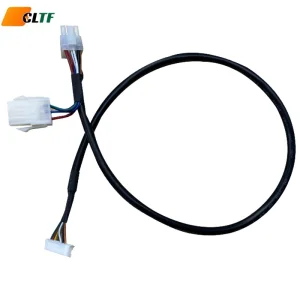
Our state-of-the-art production pipelines cover a wide catalog of parts including high-performance wiring harnesses, durable bumper systems, custom tops, precise body panels, advanced digital dashboards, structural fender flares, and highly specialized electrical kits. In the field of electronics and custom light kits, we utilize cutting-edge configurations—including sequential turn signals, high/low beam optics, wide voltage compatibility (12-60V), and dynamic RGB app-controlled systems.

A comprehensive dive into the industrial challenges, technological roadmaps, and global demand for combustion-powered golf carts.
While the transition toward fully electric drivetrains has dominated urban mobility headlines, internal combustion engine (ICE) golf carts and utility task vehicles (UTVs) remain indispensable assets in heavy-duty commercial operations, remote resorts, and municipal properties worldwide. In high-demand scenarios, the gas-powered engine stands out due to its instant refueling capabilities, extended range under continuous load, and resilience in extreme temperature fluctuations. At the heart of these workhorse engines is the golf cart carburetor—a precision component responsible for maintaining the stoichiometric fuel-air ratio of approximately 14.7:1 across varying ambient air pressures, engine loads, and fuel conditions.
The global carburetor supply chain has adapted to these realities by shifting production toward highly automated die-casting facilities, specialized surface treatments, and tighter tolerance controls. Today, B2B procurement managers must look past basic unit price and evaluate manufacturers on material longevity (specifically regarding ethanol degradation resistance), quality control certifications, and localized jetting configurations.
High-integrity aluminum alloys (e.g., ADC12) paired with CNC machining limits venture throat tolerances to <±0.02 mm, preventing vacuum leaks and optimizing volumetric efficiency.
Modern pump fuels containing up to 10%-15% ethanol (E10/E15) attract moisture, corroding standard alloys. Leading factories utilize fluororubber (Viton) gaskets and anodized surfaces.
Manufacturers must satisfy strict EPA Phase 3 and CARB emissions requirements. Clean-burning pilot circuits and leak-proof float bowl designs are standard on premium components.
Top manufacturers optimize venture sizing, jet configurations, and throttle linkages to match custom engine specs for OEM brands including Club Car FE290/FE350 and EZGO Robins engines.
B2B buyers sourcing carburetors for major golf cart lines must confirm that components undergo rigorous validation tests before leaving the factory floor. Typical testing stages include air-leakage tests under high pressure, float bowl fuel-level checks, and computerized flow benchmarking. A high-quality aftermarket or OEM carburetor should have a pre-calibrated idle speed and air mixture screw to minimize the labor required during field installation.
| Engine Application | Venturi Bore (mm) | Recommended Jet Size | Material Grade |
|---|---|---|---|
| Club Car FE290 (1992-1997) | 19.0 mm | #82 Main Jet | ADC12 Aluminum Alloy |
| Club Car FE350 (1998-Up) | 21.0 mm | #88 Main Jet | Anodized Aluminum |
| EZGO 295cc (4-Cycle) | 18.5 mm | #80 Main Jet | Corrosion-Resistant Zinc |
| Yamaha G16-G22 (JN6) | 20.0 mm | #85 Main Jet | Premium Zinc-Aluminium |
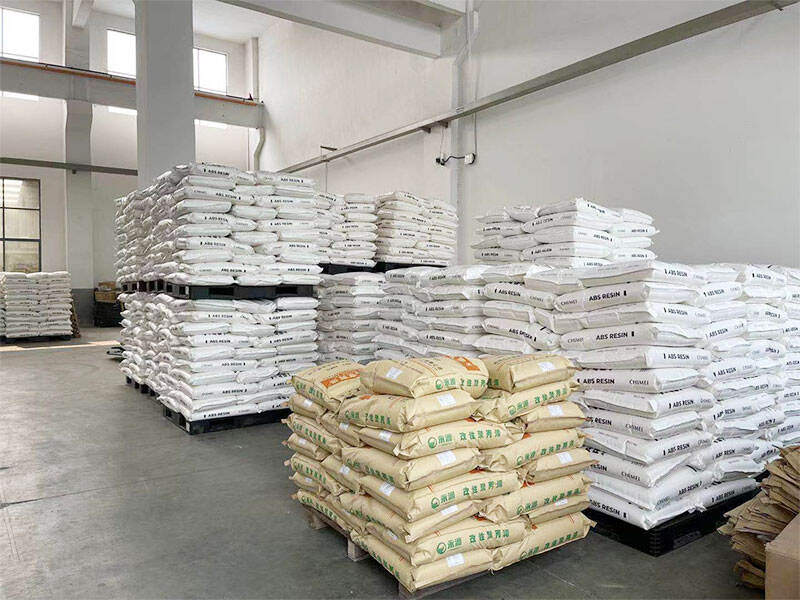
Anticipating the future of micro-combustion engines under tight global emission frameworks and fuel variability.
At altitudes exceeding 1,500 meters, air density drops, causing standard carburetors to run rich. Leading factories now offer dual-calibration adjustable high-speed jets and external barometric compensators to guarantee optimal power delivery on mountainous golf courses.
Coastal resorts expose internal components to intense saltwater oxidation. Next-generation manufacturers apply electrophoretic coating (E-coat) processes or passivation layers on throttle valves and chokes to withstand over 96 hours of continuous salt-spray testing.
Utilizing computational fluid dynamics (CFD) models, manufacturers are redesigning fuel-delivery venturis to maximize airflow acceleration while minimizing turbulence. The result is improved throttle response and lower emissions under high loads.
While traditional carburetors remain purely mechanical, high-end commercial utility vehicles are exploring smart-carburetor setups with electronic solenoid valves to throttle fuel delivery dynamically, reducing idle fuel consumption by up to 15%.
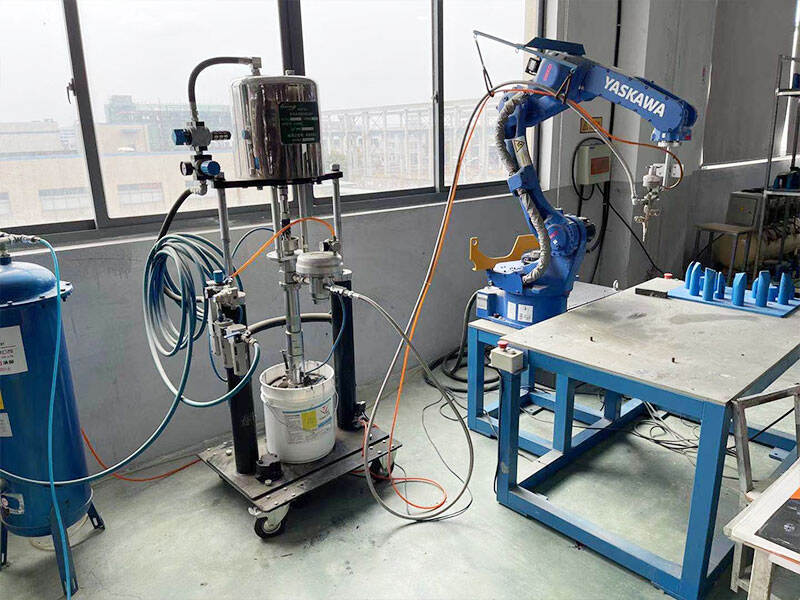
Important criteria B2B buyers must evaluate to protect fleet reliability and maintain supply line security.
For golf course owners, resort operations, and parts distributors, choosing a reliable manufacturer translates directly to minimal downtime. A faulty carburetor leads to fuel starvation, engine backfires, plug fouling, and fuel leaks that present major safety hazards. By choosing manufacturers that implement 100% wet testing, you ensure that every unit arrives calibrated and ready to run, reducing labor costs during replacement cycles.
Our company partners with leading global manufacturers to supply components that perfectly fit standard Club Car, EZGO, and Yamaha engines, keeping your operations moving forward efficiently.
Expert answers to common technical queries about golf cart carburetors and engine maintenance.
Symptoms include difficult cold starts, engine hesitation or stalling when pressing the accelerator, black exhaust smoke (indicative of a rich condition), and engine backfiring. Visible fuel leaks around the carb body or gasoline entering the oil sump also point to a failed float needle valve or worn gaskets.
Ethanol is hygroscopic, meaning it absorbs water from the air. When left sitting, the water/fuel mixture separates (phase separation), causing white powdery corrosion in the float bowl and gumming up the jet ports. Using ethanol-free fuel or choosing carburetors with Viton rubber components and anodized treatments helps prevent this damage.
Typically, the pilot/mixture screw is set by turning it gently clockwise until seated, then backing it out 1-1/2 to 2 full turns. Adjust the idle speed screw until the engine runs smoothly without engaging the drive clutch. Always perform adjustments with the engine warmed up to operating temperature.
Wet flow tests simulate actual engine operating conditions by running a fluid through the carburetor to measure the exact volume of fuel delivered at different throttle positions. This ensures the unit meets emissions and fuel consumption targets before shipment.
Generally, this is not recommended. While they look similar externally, lawnmower carburetors are jetted and tuned for constant-speed operation (usually 3,600 RPM). Golf carts use variable-speed throttle systems requiring specific transitions between the pilot jet, emulsion tube, and main jet circuits.
We manufacture and deliver top-tier components directly from our ISO-compliant facilities to global markets.


 Mingni Golf Carts