A golf cart may look gentle on a smooth path, but its accessories face dust, rain, vibration, and repeated bumps. A phone mount can loosen on a rough trail. A seat cover can crack after months in the sun. Choosing well means looking beyond polished photos and low prices. It means asking how a part will perform on your routes, with your passengers, and through changing weather.
For this guide, composite golf-cart service expert Morgan Reed sums up the central idea: “Choose the accessory for the ride it must survive, not the display it must impress.” This is an illustrative expert perspective, not a quotation from a verified interview. It points to a practical habit: check materials, mounting points, weight limits, and care instructions before buying. Small details matter. A stainless-steel fastener, a reinforced seam, or a snug bracket can make a noticeable difference.
The seven tips ahead explore how to compare construction, confirm compatibility, assess weather resistance, and judge everyday usability. They also cover warranties, maintenance, and seller information. A high price is no guarantee. Nor is a tough-looking finish. Some advice can feel overly cautious, and it is worth admitting that product labels rarely reveal the whole story. Still, a few careful checks can help you avoid an accessory that rattles, fades, or fails long before the cart does. If you are researching How To Choose Durable Golf Cart Accessories, start with how you actually drive—not just how the cart looks in a showroom.
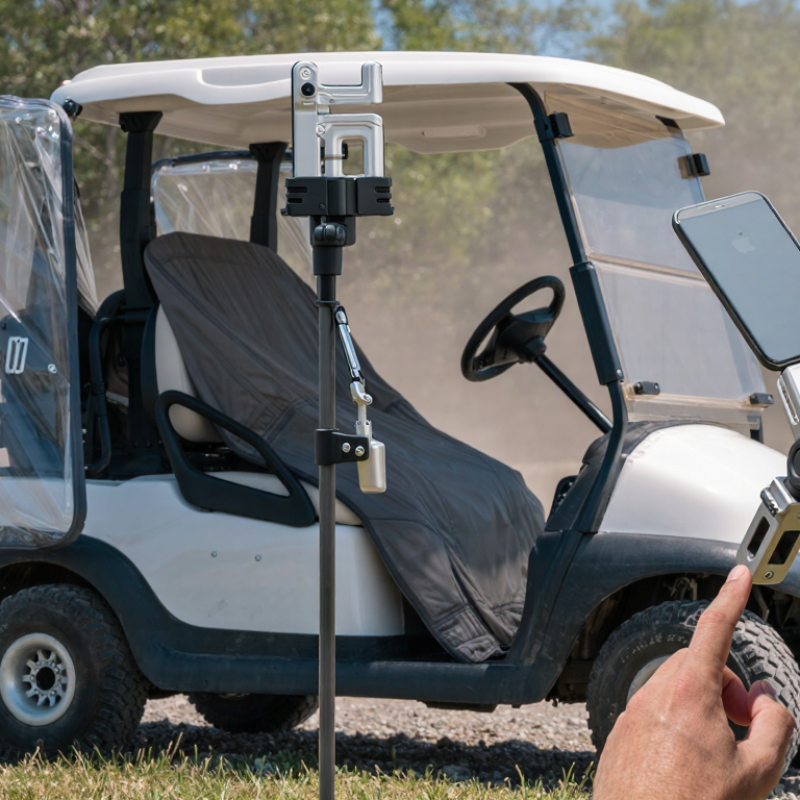
Start with how your golf cart is actually used. A cart driven across a smooth neighborhood needs different accessories from one carrying tools over uneven paths. Note where it travels, how often it runs, and who rides in it. A weekly supply run may call for secure storage and weather protection. Regular use on rough ground makes sturdy mounts and a durable seat cover more relevant. Write down real needs, not upgrades that only look useful.
Tips: Before shopping, inspect the cart’s model details and measure available space. List the load, weather exposure, and roughest route. Check that each accessory fits the cart and does not block controls, lights, or passenger entry. Small details matter.
Set priorities by how often an accessory will be used. For example, a sealed storage box can protect groceries from rain, while a padded armrest may improve comfort on longer rides. Compare materials, attachment points, and care instructions. Metal parts should resist corrosion; fabric should be easy to clean. A careful list can still miss something, so review it after a typical week of use. You may find that the accessory you considered essential rarely leaves the garage.
Durable golf cart accessories start with the material, but no material suits every job. Powder-coated steel can handle frequent bumps, though chipped coating may expose it to rust. Aluminum resists corrosion and weighs less, but thin sections can bend under concentrated loads. UV-stabilized plastic works well for covers and holders; check for brittle edges and fading. Feel the surface. Inspect the corners.
Construction reveals what a product description may leave out. Look for even welds, reinforced mounting holes, snug-fitting joints, and fasteners that resist loosening. A rack with broad support plates usually spreads weight better than one attached through small tabs. Check whether water can drain instead of pooling around seams. Small details matter.
Compare the stated load capacity with what you actually carry, including tools, bags, and occasional extra weight. Then check how that load transfers to the cart: a strong accessory can still strain a weak mounting point. Keep a sensible margin below the maximum, especially on rough paths. Ratings may vary by installation, and manufacturers do not always explain test conditions. Heavier is not automatically stronger. Weigh the part, inspect its brackets, and consider how often you will remove or adjust it.
| Tip | Accessory | Materials to Compare | Construction Checks | Load-Capacity Check | Durability Tip |
|---|---|---|---|---|---|
| 1 | Rear cargo basket | Powder-coated steel is rigid; aluminum is lighter and resists rust; molded plastic will not rust but can crack under impact. | Look for reinforced corners, secure mounting points, smooth edges, and a finish with no exposed or chipped areas. | Check the basket’s stated maximum load and the cart’s rear-seat or cargo-area limit. The lower limit governs. | Choose a design that drains water and attaches to the cart’s designated mounting points. |
| 2 | Roof or canopy | UV-stabilized plastic is light; fiberglass is rigid; fabric canopies are flexible and depend on a sound frame. | Inspect frame joints, brackets, fasteners, and the fit around the supports. A secure fit helps limit rattling and stress. | Do not treat the roof as a cargo rack unless it is specifically rated for carrying a load. | For outdoor use, favor UV-resistant materials and replace cracked panels or worn fabric promptly. |
| 3 | Hitch and towing accessory | Corrosion-protected steel is common for structural parts; plastic components should be limited to covers or non-load-bearing pieces. | Check welds, hitch-pin fit, fastener quality, and compatibility with the cart’s frame and hitch receiver. | Follow the lowest published limit among the hitch, cart, towing accessory, and cart manufacturer’s towing guidance. | Keep the connection clean and inspect for looseness, rust, or deformation before towing. |
| 4 | Seat covers | Marine-grade vinyl resists moisture and is easy to wipe clean; treated fabrics can offer breathability but need suitable weather protection. | Look for reinforced seams, secure attachment straps, and a close fit that will not shift during entry or exit. | Seat covers do not increase the seat’s passenger or weight rating; follow the cart’s seating limit. | Choose UV- and water-resistant material if the cart is regularly stored outdoors. |
| 5 | Storage box or console | Rotomolded or other impact-resistant plastic resists moisture; metal boxes can be strong but need corrosion protection. | Check lid hinges, latches, mounting hardware, and whether the box is supported at its intended mounting points. | Use the box’s published payload limit and account for the combined weight of the box and its contents. | A sealed or covered design helps protect contents, but check that any drainage or ventilation features suit your needs. |
| 6 | Wheels and tires | Compare wheel material and finish, tire construction, tread type, and compatibility with the cart’s intended use. | Confirm the correct wheel size, offset, bolt pattern, and tire clearance; use suitable fasteners and installation guidance. | Check the tire load rating and the cart’s axle and vehicle limits. A higher tire rating does not raise the cart’s overall capacity. | Choose a tread suited to the surface and inspect tire pressure, wear, and damage regularly. |
| 7 | Windshield | Acrylic is lightweight and offers good clarity; polycarbonate is generally more impact-resistant but may scratch more easily. | Look for smooth edges, proper supports, secure hinges, and mounting hardware made for the cart model. | Windshields are not cargo supports. Keep bags and other loads off the panel unless the product is expressly rated for them. | Use a cleaner suitable for the panel material and avoid abrasive cloths that can scratch the surface. |
| Load-capacity reminder: Accessory ratings vary by product and cart. Check the accessory label or manual, the cart manufacturer’s limits, and installation requirements; never assume a material or appearance indicates a safe load. | |||||
An accessory that fits one golf cart may not fit another, even within the same model family. Check the cart’s make, model, and production year before ordering. Compare its voltage, mounting points, roof shape, and seat dimensions with the accessory specifications. Measure twice. Model names can stay the same through design changes, so they are not enough. Record the serial number and consult the owner’s manual or a service technician when year details are unclear. Small details matter.
Compatibility also affects durability. A poorly matched windshield can rattle, while an oversized cargo rack may loosen on rough paths. Confirm hole spacing and fastener type; never force a part into place. That shortcut can damage the frame. Grand View Research estimated the global golf cart market at about US$1.9 billion in 2023. This broad market includes varied cart designs, so universal fit should not be assumed. Treat online listings as a starting point, not proof. Ask for a fitment chart matching your exact model year, and keep written confirmation. Aftermarket modifications can change dimensions, too.
Weather resistance starts with the materials, but small details often reveal how an accessory will age. Check fabric for a tight weave and coated surfaces that resist moisture without trapping it underneath. Look closely. Thin coatings can crack after repeated sun exposure, especially on seat covers and storage bags. For metal parts, inspect joints, fasteners, and exposed edges for corrosion-resistant finishes. A shiny surface alone proves little.
Feel the seams. Loose stitching can let rain enter, while poorly sealed edges may fray after rubbing against a cart frame. Still, no rating tells the whole story. Consider how the accessory will be stored and used: a cover left outdoors faces harsher conditions than one kept in a dry garage. UV-resistant material matters in sunny climates, yet shade and occasional cleaning also help slow fading. Before buying, check care instructions and warranty limits for clear exclusions around sun damage or water exposure. I would not assume “water-resistant” means waterproof; labels can leave that distinction vague. After a wet round, let removable items dry fully, and watch for peeling, rust spots, or stiff fabric over the first few weeks.
UV exposure is one factor to consider when evaluating outdoor materials. The bars show the UV Index at which each standard exposure category begins.
When comparing seats, covers, and other exposed accessories, look for clear information about UV-resistant materials and follow care guidance. Consider extra protection during high and very high UV conditions. UV Index categories follow World Health Organization guidance: Low 0–2, Moderate 3–5, High 6–7, Very High 8–10, and Extreme 11 or higher.
Before buying an accessory, check what it takes to keep it working. A lift kit may need periodic bolt inspections; a seat cover may only need rinsing and drying. Ask whether replacement fasteners, seals, or cushions are sold separately. Small parts matter. If the seller cannot explain routine care clearly, treat that as a warning, not a minor detail.
Read the warranty line by line. Confirm its duration, covered components, exclusions, and whether installation affects coverage. “Limited warranty” alone tells you little. Keep the receipt and installation record, and photograph the product before fitting it. A warranty is useful only when its terms match how you actually use the cart, including exposure to rain, sun, and rough paths.
Compare total ownership cost, not just the checkout price. Add expected cleaning, adjustments, replacement parts, and installation. Battery-related accessories deserve extra care: Battery Council International reports that about 99% of lead batteries in the United States are recycled. That figure reflects recycling, not product lifespan; don’t mistake it for proof of durability. Still, it supports checking whether worn components can be replaced responsibly. A cheaper accessory can be poor value if one cracked bracket means replacing the whole assembly. That happens. And sometimes a pricier option still isn’t worth it.
Start with your usual routes, passengers, and loads. A weekly grocery run may need covered storage, while rough paths call for sturdy mounts.
Check your cart’s model details and measure the available space. Measure twice. Make sure the accessory does not block controls, lights, or passenger entry.
Prioritize items you will use often. I may overvalue a tidy-looking upgrade; a typical week can reveal it rarely leaves the garage.
Look for tightly woven fabric and coatings that resist moisture. Check that the material can dry properly instead of trapping dampness underneath.
No. Look closely. The label may not explain how much water the material can handle, so check the care details.
Inspect seams, joints, fasteners, and exposed edges. Loose stitching, rough edges, or thin coatings may wear quickly with rain, rubbing, and sun.
Follow the care instructions and dry removable items fully after a wet ride. Watch for peeling, rust spots, or stiff fabric.
Look for clear limits on sun damage and water exposure. A warranty may exclude the exact conditions your cart faces, so read the details.
How To Choose Durable Golf Cart Accessories begins with understanding how you use your cart and which accessories will genuinely improve comfort, storage, safety, or performance. Consider your typical routes, passenger needs, and carrying loads before comparing options. Look closely at materials, construction quality, and stated load capacity, choosing sturdy designs suited to regular use rather than appearance alone.
Before purchasing, confirm that each accessory fits your cart’s make, model, and configuration. Consider exposure to sun, rain, dust, and changing temperatures, since weather resistance can affect how long an item lasts. Finally, compare maintenance requirements, warranty coverage, and overall value. A well-chosen accessory should be practical to care for, compatible with your cart, and durable enough to meet your needs over time.

Mingni Golf Carts