Utility vehicles are essential for various industries, from agriculture to construction. However, they endure significant wear and tear over time. This can lead to costly repairs and downtime. Therefore, understanding "How To Reduce Wear And Tear On Utility Vehicles" is crucial for businesses. Practical strategies can extend the lifespan of these vehicles.
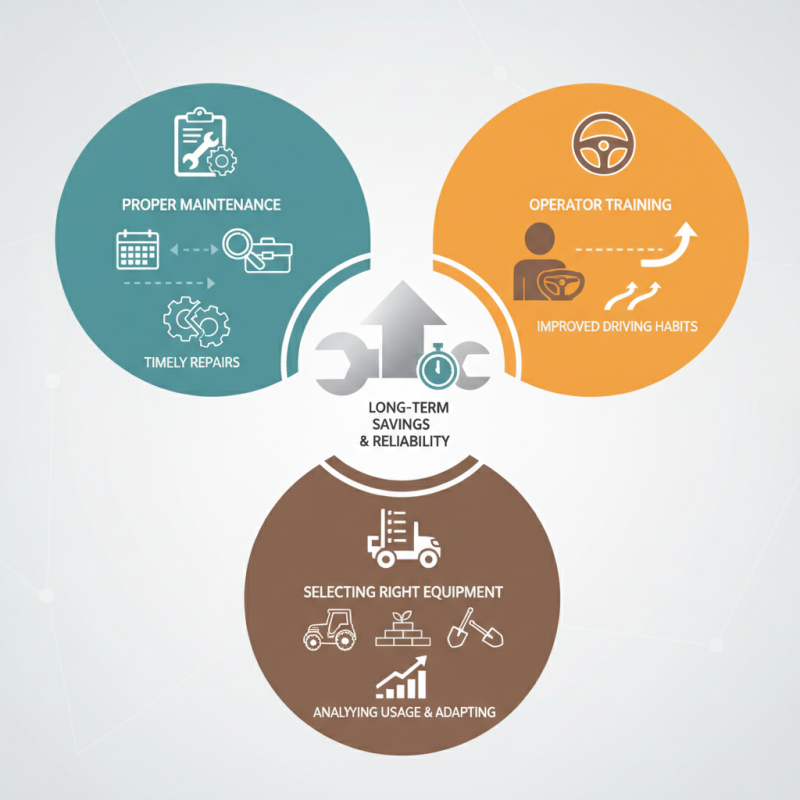
Proper maintenance is key. Regular inspections and timely repairs can prevent minor issues from escalating. Ignoring these can result in expensive fixes later. Training operators on best practices also plays a vital role. Many drivers may not realize how their habits affect vehicle longevity. Simple adjustments in driving can make a big difference.
Additionally, selecting the right equipment for specific tasks is essential. Using a utility vehicle beyond its intended purpose can lead to premature damage. It's beneficial to analyze usage patterns and adapt. While these methods require effort and planning, the long-term savings and improved reliability are worth it. Prioritizing these strategies can lead to a more efficient operation.
Understanding wear and tear in utility vehicles is essential for maintaining their performance and longevity. These vehicles often operate under harsh conditions, leading to increased strain on various components. The constant movement can cause mechanical parts to loosen or degrade over time, affecting the vehicle's efficiency. Additionally, environmental factors like dust, mud, and moisture can accelerate wear. Regular inspections can help identify issues before they become costly repairs.
Routine maintenance plays a crucial role in minimizing wear. Simple tasks, like checking fluid levels and tire pressure, can enhance performance. Neglecting these tasks could lead to more significant problems. Also, driving habits contribute to wear and tear. Aggressive acceleration and abrupt braking can negatively impact the vehicle's lifespan. Training drivers on smoother driving techniques may reduce stress on the vehicle.
Another factor to consider is load management. Overloading a utility vehicle can lead to faster degradation of its structural components. It is vital to adhere to recommended load limits. Properly distributing weight can help maintain stability and reduce wear. Reflecting on these aspects can lead to better maintenance practices. Spending time on preventive care is essential for maximizing the lifespan of utility vehicles.
: Smooth acceleration is key. Gradually pressing the gas pedal minimizes engine and transmission stress.
Wide turns are better. Abrupt turns can cause damage to tires and suspension systems.
Properly inflated tires enhance handling and reduce strain. Under-inflated tires can increase fuel consumption.
Inspections every few months are ideal. This helps identify issues before they escalate.
Key areas include tires, brakes, and engine fluids. Regular checks improve vehicle reliability.
Operators should be trained to spot warning signs. Early reporting can prevent costly repairs.
Document all maintenance activities for accountability. Tracking service history is crucial.
A poorly maintained vehicle is likely to break down. This can disrupt operations significantly.
To effectively address the question of "How To Reduce Wear And Tear On Utility Vehicles," it's crucial to understand the factors contributing to vehicle degradation. Regular maintenance practices—such as checking fluid levels, changing filters, and ensuring proper tire pressure—are essential for extending the lifespan of utility vehicles. Furthermore, adopting driving techniques that emphasize smooth acceleration and braking can significantly minimize damage caused by everyday use.
In addition to maintenance and driving habits, selecting the appropriate accessories and equipment can play a vital role in mitigating wear and tear. Using protective covers and rugged tools suitable for specific tasks ensures that vehicles remain in good condition while performing their duties. Finally, scheduling regular inspections and maintenance checks helps identify potential issues before they escalate, paving the way for a more durable and reliable fleet of utility vehicles. By implementing these strategies, vehicle operators can contribute to long-term efficiency and performance.

 Mingni Golf Carts