How To Protect Outdoor Utility Vehicles From Weather Conditions?

Time:2026-05-19 Author:Charlotte
0%

Outdoor utility vehicles play a crucial role in various tasks, from landscaping to snow removal. Exposure to harsh weather conditions can damage these vehicles, impacting their functionality and longevity. Understanding how to protect outdoor utility vehicles from weather is essential for maintaining their performance and value.

Weather elements like rain, snow, and intense sun can wear down materials and components. Prolonged exposure leads to rust, fading, and operational issues. Using reliable covers and storage options helps shield these valuable assets. It's not just about aesthetics; ensuring durability is key for work efficiency.

Choosing the right protection method requires thoughtful consideration. Weather-resistant materials and proper fitting can make a significant difference. Reflecting on your current practices may reveal gaps in protection strategies. Embracing expert insights will enhance your knowledge on maintaining outdoor utility vehicles effectively. Prioritizing these actions can save time and money in the long run.
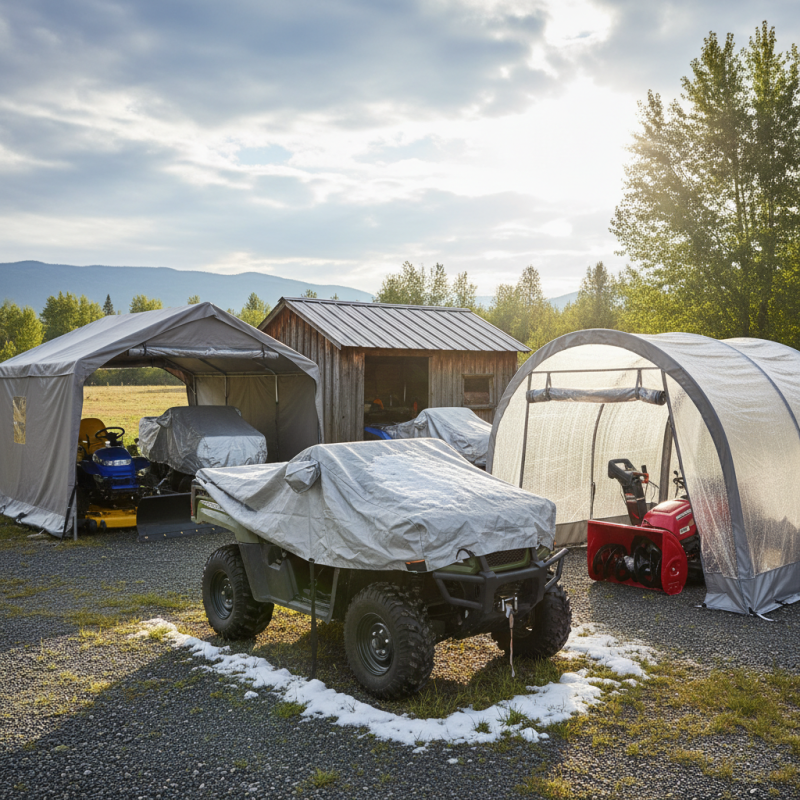
How To Protect Outdoor Utility Vehicles From Weather Conditions?

Understanding Weather Impacts on Outdoor Utility Vehicles: Key Data Insights

Weather conditions can significantly impact outdoor utility vehicles. UV rays, rain, snow, and extreme temperatures can cause wear and tear. Vehicles left unprotected may suffer from fading paint, rust, and other damage. Understanding these impacts is essential for keeping your equipment in good shape.

One effective way to protect your vehicle is by using a quality cover. A well-fitted cover can shield the vehicle from sunlight and rain. It’s important to choose a breathable material to prevent moisture buildup underneath. Regularly inspect the cover for tears or wear, as even a small hole can allow damage.

Another tip is routine maintenance. This includes cleaning the vehicle and checking for rust or damage. Addressing these issues early can save money in the long run. Don't rush the process; thorough inspections take time. Weatherproof seals and protective coatings can add extra layers of defense, but they need to be reapplied periodically.

Selecting Appropriate Materials for Weather-Resistant Vehicle Covers

Selecting appropriate materials for weather-resistant vehicle covers is crucial for safeguarding outdoor utility vehicles. The right fabric can significantly enhance the longevity and performance of these covers. According to industry data, over 50% of vehicle damage is attributed to environmental conditions, such as UV exposure and precipitation. This highlights the necessity for durable and weather-resistant materials.

Polyester and vinyl are two leading options. Polyester offers excellent UV resistance and breathability, preventing mildew buildup. In contrast, vinyl provides waterproof benefits, making it suitable for heavy rain situations. However, it's essential to consider weight and flexibility. Heavier materials may be tougher to handle, while lighter fabrics may not withstand strong winds.

It’s important to reflect on the balance of cost and quality. Cheaper materials might save money initially, but they often lead to faster wear and tear. A premium cover can reduce long-term replacement costs significantly. Investing in research-backed materials can ensure your utility vehicles are better protected against the elements, enhancing performance and durability over time.

Weather Resistance of Outdoor Utility Vehicle Covers

Regular Maintenance Practices to Enhance Longevity Against Environmental Stress

Outdoor utility vehicles (UTVs) face harsh weather conditions. Proper maintenance practices can enhance their durability. Regular checks are essential. This includes inspecting seals, batteries, and tires. A small crack can lead to significant damage over time.

Tips for maintaining your UTV include cleaning it frequently. Remove dirt and debris that can cause rust. Use a soft cloth for delicate surfaces. Consider applying a protective wax. This can create a barrier against rain and UV rays. Routine lubrication of moving parts prevents wear and tear.

Watch for signs of corrosion. Early detection can save you from costly repairs. Inspect the vehicle after each use, especially in bad weather. Sometimes, a quick wash is overlooked. Don’t underestimate minor issues. They can escalate quickly if ignored. Taking these simple steps ensures your UTV remains reliable in all conditions. Your investment deserves the attention.

How To Protect Outdoor Utility Vehicles From Weather Conditions? - Regular Maintenance Practices to Enhance Longevity Against Environmental Stress

Maintenance Practice Frequency Benefits Recommended Tools/Products
Regular Cleaning Every 2 weeks Prevents rust and dirt buildup Pressure washer, mild detergent
Waxing Every 3 months Protects paint and reduces UV damage Automotive wax, microfiber cloth
Fluid Checks Monthly Ensures proper functioning of engine and hydraulics Oil, coolant, brake fluid
Tire Maintenance Every 6 weeks Increases safety and performance Tire pressure gauge, tire sealant
Battery Maintenance Quarterly Enhances starting reliability Battery cleaner, terminal protector

Innovative Technologies in Outdoor Vehicle Protection: A Review of Industry Trends

Innovative technologies are reshaping the landscape of outdoor utility vehicle protection. Recent industry reports indicate that nearly 40% of vehicle damage is attributed to adverse weather conditions. This highlights the critical need for effective protective measures. Advanced coatings are emerging as a game changer. These coatings can repel moisture and resist UV damage, significantly prolonging the lifespan of vehicles.

Moreover, smart technology is gaining traction. Sensors that monitor environmental conditions have become more prevalent. These devices can alert owners about potential threats like hail or excessive sunlight. Data shows that vehicles equipped with such technology experience less weather-related wear.

However, the integration of these innovations is not uniform across the industry. Many manufacturers still rely on traditional methods, leaving gaps in protection standards.

Additionally, while innovative solutions exist, consumer awareness remains limited. A considerable percentage of vehicle owners do not understand how these technologies can benefit them. Educational efforts are necessary to promote better practices in outdoor vehicle maintenance. Overall, these advancements promise improved resilience but require concerted efforts to maximize their efficacy in the market.

Best Practices for Storage Solutions to Shield Vehicles from Severe Weather Elements

Protecting outdoor utility vehicles from severe weather is essential for prolonging their lifespan. According to a report by the National Association of State Park Directors, vehicles exposed to harsh elements can suffer corrosion, fading, and mechanical issues. A study showed that 70% of vehicle maintenance issues are related to weather exposure.

Choosing a suitable storage solution is crucial. Consider using weather-resistant covers or tarps that can shield vehicles from rain, snow, and UV rays. A recent survey found that vehicles stored under protective covers had a 30% lower depreciation rate compared to those left exposed. Additionally, avoid parking on grass or dirt. These surfaces can retain moisture, leading to rust and mold.

Using a garage or carport can significantly enhance protection as well. However, not everyone has space for these structures. In those cases, utilizing local storage facilities can be a reliable alternative. Data indicates that 25% of vehicle owners opt for rented storage when home storage isn't feasible. Take these steps to ensure your utility vehicles remain in optimal condition despite the unpredictable weather.

FAQS

: How does weather affect outdoor utility vehicles?

: Weather can cause wear and tear. UV rays, rain, and snow contribute to paint fading and rust.

What is a good way to protect my vehicle?

A well-fitted cover can shield your vehicle from sunlight and rain. Ensure it’s breathable to avoid moisture buildup.

How often should I maintain my outdoor vehicle?

Regular maintenance is essential. Cleaning and inspecting for rust should be routine to catch problems early.

What materials should I choose for vehicle protection?

Use breathable materials for covers. Advanced coatings can also help repel moisture and resist UV damage.

Do innovative technologies really help with vehicle protection?

Yes, technologies like sensors can monitor weather conditions. They alert owners to threats, reducing weather-related damage.

Are all manufacturers using advanced protective technologies?

No, many still rely on traditional methods. There are gaps in protection standards across the industry, which is concerning.

How can I educate myself about vehicle protection technologies?

Research and seek information on protective solutions. Awareness can help improve vehicle maintenance practices.

What are some signs that indicate my vehicle needs attention?

Look for rust, fading paint, or wear on covers. Small issues can lead to bigger problems if ignored.

Is it vital to reapply protective coatings?

Yes, protective coatings need regular reapplications. They wear off over time, so check them periodically for effectiveness.

Is there a downside to relying on new technology for vehicle protection?

While technology offers benefits, consumer awareness remains limited. Some may not fully utilize these advancements for optimal protection.

Conclusion

When considering "How To Protect Outdoor Utility Vehicles From Weather," it’s essential to understand the various environmental factors that can impact these vehicles. Key data insights reveal that exposure to harsh weather conditions can lead to significant wear and tear. To mitigate this, selecting appropriate materials for weather-resistant vehicle covers is crucial. Regular maintenance practices, such as cleaning and inspecting for damages, can further enhance the longevity of these vehicles against environmental stress.

Additionally, innovative technologies are emerging as effective solutions for outdoor vehicle protection, reflecting current trends in the industry. Implementing best practices for storage, such as utilizing sheltered areas or protective enclosures, can also provide crucial shielding from severe weather elements. By adopting these strategies, vehicle owners can effectively safeguard their outdoor utility vehicles and ensure their operational efficiency over time.

Charlotte

Charlotte

Charlotte is a seasoned marketing professional with a deep understanding of the company's portfolio and a passion for elevating its presence in the market. With a keen eye for detail and a commitment to excellence, she ensures that our professional blog is regularly updated with insightful articles......