Traveling long distances in a golf cart requires careful preparation. Understanding "How To Prepare A Golf Cart For Long Distance Use" can make all the difference. According to a 2022 industry report by the National Golf Cart Association, 35% of golf cart owners use their vehicles for trips beyond the golf course. This growing trend highlights the importance of proper maintenance.
Expert John Davis, a leading voice in golf cart technology, emphasizes, “Preparation is key to ensuring a safe and enjoyable journey.” His insights reflect the need for reliable components, such as checking battery life and tire pressure. Ensuring that the golf cart is equipped with the right tools can prevent failures on long trips.
Considerations include not just mechanical checks but also comfort. Customizing seat cushions and adding storage options can enhance the experience. As golfers increasingly opt for longer travels, reflecting on personal experiences and mistakes can offer valuable lessons for future journeys. Preparing thoroughly ensures that your adventure doesn't become a painful ordeal.
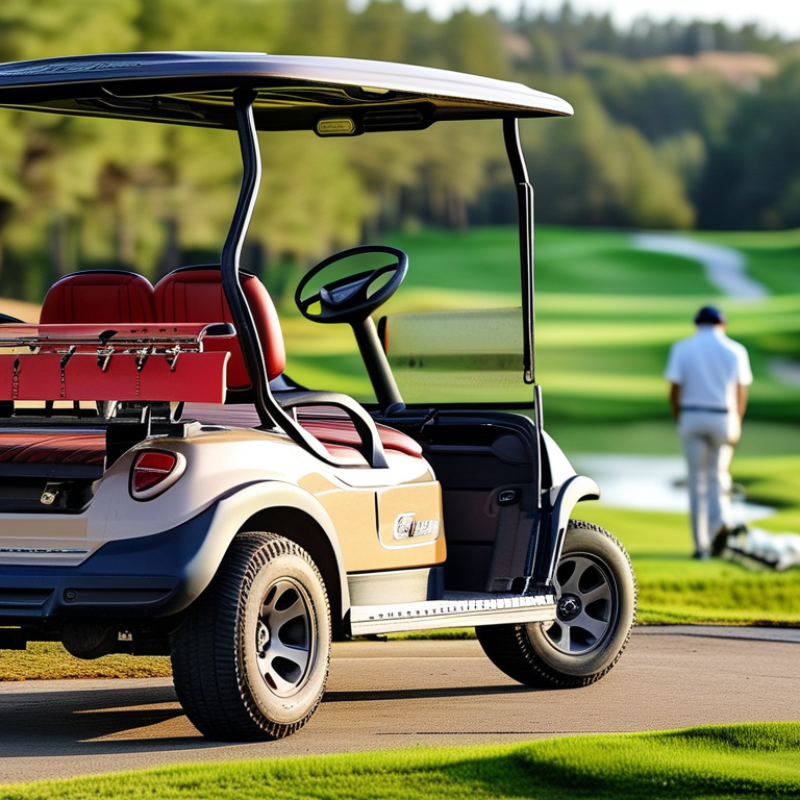
When considering long-distance travel in your golf cart, it's essential to assess its suitability. Start by checking the battery capacity. A powerful battery ensures longer travel without frequent recharges. Evaluate the range that your golf cart can cover. Most models have a limited range, typically 30 to 50 miles. Knowing this helps you plan your journey effectively.
Next, inspect the tires. Adequate tread depth and proper inflation can significantly impact your cart's performance. Worn tires may lead to discomfort and even accidents. Ensure all components, from brakes to lights, are functioning properly. Any malfunctioning parts can cause delays and safety issues on long trips.
Finally, reflect on your cart's overall condition. If it has seen better days, long-distance travel could be risky. Consider modifications to enhance comfort and efficiency. Add storage solutions for essentials and ensure you have a first aid kit. Preparing thoughtfully can make your journey enjoyable, though it may require extra diligence.
When preparing your golf cart for a long-distance trip, maintenance is crucial. Check the battery condition; it should be secure and fully charged. Clean the terminals to ensure good connectivity. Inspect the tires for wear and proper inflation. Underinflated tires can lead to blowouts on the road. Aim for uniform tread across all tires.
Brake functionality must be examined next. Make sure the brakes engage smoothly and respond adequately. It might be worth testing them in a safe area before starting your journey. Don’t overlook the importance of checking fluid levels, too. Ensure the coolant and oil are at appropriate levels to avoid overheating.
Be mindful of light functionality as well. Test headlights, brake lights, and turn signals. Broken lights can lead to unsafe driving conditions. Additionally, consider storing essential items like tools and a first aid kit. A journey can reveal unexpected challenges. Prepare for the road ahead with a fully equipped and well-maintained cart.
| Maintenance Task | Description | Frequency | Estimated Time |
|---|---|---|---|
| Battery Check | Inspect battery condition, clean terminals, and ensure proper charge | Before Trip | 30 minutes |
| Tire Inspection | Check tire pressure, tread depth, and overall condition | Before Trip | 20 minutes |
| Brake System | Test brakes and check for wear on pads and drum/disc | Before Trip | 15 minutes |
| Fluid Levels | Check oil, coolant, brake fluid, and transmission fluid levels | Before Trip | 15 minutes |
| Cleaning | Clean the exterior and interior to maintain appearance and value | Before Trip | 1 hour |
Choosing the right tires is crucial for comfort and performance during extended journeys on your golf cart. According to industry research, tire selection can greatly impact fuel efficiency and driving comfort, crucial factors for long-distance travel. A study by the National Golf Cart Association highlighted that the right tires can improve ride quality by up to 30%. Users often overlook tire pressure, which should be maintained at the manufacturer's recommended levels. Under-inflated tires lead to increased rolling resistance, reducing efficiency by 10%.
When selecting tires, consider the terrain you'll frequently navigate. All-terrain tires offer versatility for mixed surfaces, while dedicated turf tires excel on grass. A survey indicated that nearly 40% of golfers expressed discomfort due to improper tire types on varying terrain. Selecting an appropriate tread pattern not only enhances grip but also contributes to stability at higher speeds, which is important for those longer trips.
Tip: Regularly inspect your tires for wear and tread depth. Replacing tires every 3,000 to 5,000 miles is a recommended guideline. Pay attention to any vibrations or irregular handling; these could signal tire issues. Also, be aware that older tires can deteriorate even without excessive mileage, affecting overall safety and performance.
Battery management is crucial for extended golf cart use. Properly maintaining your batteries can significantly enhance their lifespan. Always check battery water levels regularly. Low water can lead to damage. Consider investing in a battery watering system for easy maintenance. This small change can prevent potential long-term issues.
Charging practices also matter. Avoid letting batteries discharge completely. This can shorten their life. Instead, recharge them when they reach about 50% charge. Try to keep the batteries clean and free from corrosion. A dirty terminal can affect performance. Use a mixture of baking soda and water to clean terminals carefully.
Temperature affects battery performance. Extreme heat or cold can reduce efficiency. Store the cart in a temperature-controlled environment when possible. When traveling long distances, monitor the battery's performance.
Be mindful of the cart's load and driving conditions. Adjust your driving habits to conserve power. These strategies can help ensure your golf cart is ready for any adventure.
When planning long-distance travel in a golf cart, safety is paramount. A reliable checklist can help ensure readiness. According to the National Golf Cart Association, improper maintenance contributes to 60% of golf cart accidents. Regular maintenance checks should include brakes, tires, and lights. Ensure that tires are properly inflated and tread depth meets safety guidelines. Check that headlights and taillights function correctly for visibility during night travel.
Along with maintenance, bring essential safety equipment. First aid kits should be stocked with supplies like bandages and antiseptic wipes. A reliable fire extinguisher is necessary, especially if traveling through areas with dry underbrush. It’s wise to have a reflective triangle or cones to signal for help if needed. Many golfers overlook these items, thinking they’re unnecessary. However, being prepared can make all the difference in emergencies.
Flooded areas or steep hills can pose unexpected challenges. Review local terrain to avoid risky routes. An analysis by the PGA suggests that about 18% of golfing accidents happen due to environmental factors. Being aware of these risks will help in planning a safer travel route. Conduct pre-trip inspections, and keep your safety equipment accessible. It’s better to have it and not need it than to find yourself unprepared.
: Inspect the battery, tires, brakes, and fluid levels. Ensure everything is in good condition.
Regularly check water levels and avoid complete discharges. Recharge batteries when they reach 50%.
Proper tire pressure prevents blowouts and enhances fuel efficiency, impacting comfort and performance.
Tires should typically be replaced every 3,000 to 5,000 miles depending on wear and handling.
Select tires based on your terrain. All-terrain tires work for mixed surfaces; turf tires excel on grass.
Extreme heat or cold can reduce battery efficiency. Store your cart in a temperature-controlled environment.
Store essential tools and a first aid kit. Unexpected challenges may arise during your journey.
Regularly inspect for wear and proper tread depth. Address any vibrations or handling issues immediately.
Yes, it simplifies maintenance and prevents damage caused by low water levels in the batteries.
Test brakes in a safe area before your trip. If there are issues, consider servicing them beforehand.
When considering how to prepare a golf cart for long distance use, it’s essential to first assess the cart's capabilities. This involves examining its overall condition and suitability for extended travel. Prior to embarking on a journey, performing essential maintenance, such as checking the brakes, lights, and frames, ensures not only comfort but also safety during the trip.
Choosing the right tires can greatly affect performance; opting for those designed for durability can enhance stability and handling over long distances. Additionally, managing battery life is crucial; regular checks and proper charging practices will extend battery longevity. Finally, creating a safety equipment checklist can help ensure that you are well-prepared for any unexpected situations during your travels. By following these guidelines, you can confidently enjoy a long-distance trip with your golf cart.

Mingni Golf Carts