As communities evolve, so do their needs and preferences. One area experiencing significant transformation is the design of golf carts. Understanding the latest "Golf Cart Design Trends for Modern Communities" reveals a push for innovation, usability, and aesthetic appeal. No longer just functional vehicles, golf carts are becoming integral to community identity.
Modern communities value sustainable and efficient transportation. Golf carts are increasingly designed with eco-friendly materials and energy-efficient technologies. Vibrant colors and custom features reflect local culture and personal tastes. Communities want carts that align with their lifestyle—versatile enough for errands, social events, and recreational use.
However, not all designs meet these expectations. Some trends seem impractical or overly extravagant. There’s a balance to find between functionality and style. Communities must reflect on what works best for them. As golf cart designs continue to advance, the conversation must include the needs of the community and sustainability. The importance of community input cannot be overstated in this evolving landscape.
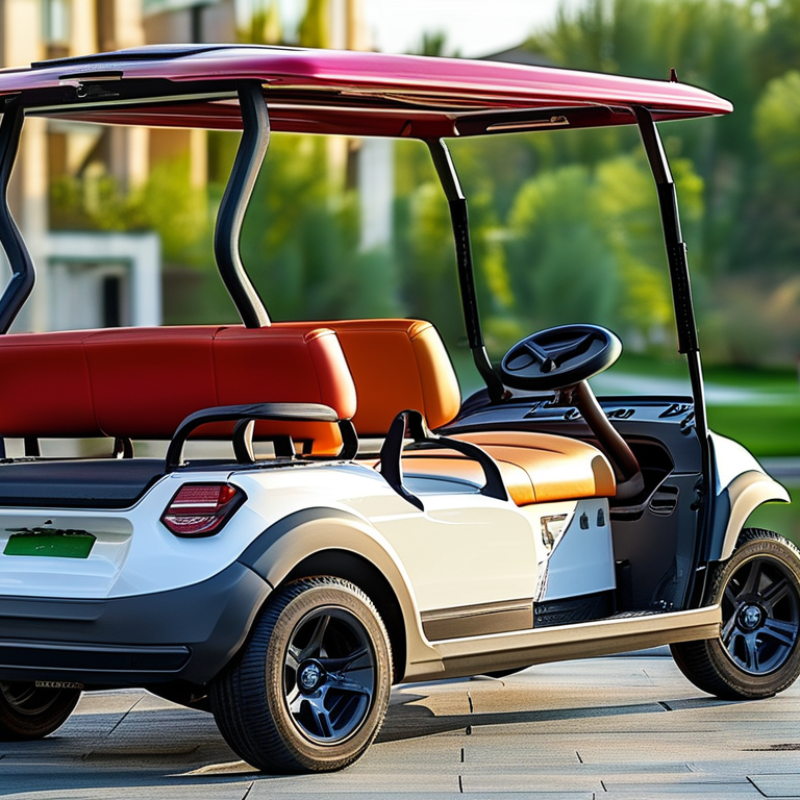
The golf cart industry is evolving, reflecting modern aesthetics that appeal to contemporary communities. Sleek designs are taking center stage. According to market research, over 65% of consumers prioritize style when selecting golf carts. Designs now feature streamlined shapes, minimalistic lines, and vibrant color options. Users want their carts to blend seamlessly into the upscale community environment. These design choices resonate with urban dwellers who appreciate sophistication.
Sustainability is a growing trend. Electric carts are becoming increasingly popular, with sales increasing by 30% in recent years. Eco-conscious designs often include materials like recycled plastics and lightweight alloys. This reflects a shift towards greener options. Many manufacturers are responding to this demand, yet some still lag behind. The challenge lies in balancing style and functionality. While sleek designs catch the eye, practicality remains essential for everyday use.
Inside the cart, customization is key. Comfortable seating and advanced tech features enhance user experience. However, not all models meet expectations. Poor integration of technology can detract from the overall design. Communities desire practicality and luxury, but this balance can be tricky. Designers must address common pitfalls to truly meet the needs of modern users. The landscape of golf cart design is shifting, and the journey is as important as the destination.
The trend toward sustainability is reshaping golf cart designs in modern communities. Eco-friendly materials are gaining traction. Manufacturers now focus on biodegradable plastics and recycled metals. This shift helps reduce waste and promote a circular economy. Many communities seek carts with solar panels, allowing them to harness renewable energy. The integration of such features can significantly lower the carbon footprint.
Another essential aspect is the attention to durability. Sustainable materials should not only be eco-friendly but also long-lasting. For example, bamboo and reclaimed wood offer aesthetic appeal and strength. However, ensuring these materials withstand varying weather conditions remains a challenge. Some designs still struggle with longevity, leading to ongoing debates about efficiency versus style.
Communities are also focusing on user experience. Comfortable seating and efficient transport are crucial. Designs that prioritize ergonomics can enhance the overall enjoyment of the ride. Yet, maintaining these eco-friendly features often costs more upfront. Striking a balance between cost-effectiveness and sustainability is a complex issue that many communities continue to navigate.
Modern communities are increasingly embracing technological innovations in golf cart design. Smart features have become essential to enhance user experiences. For instance, GPS navigation systems are now standard in many carts. This allows drivers to easily locate their destinations within vast communities. With real-time traffic updates, users can avoid congested areas.
Another trend is the incorporation of energy-efficient technologies. Solar panels can power many of these carts, promoting sustainability. This feature not only reduces electricity costs but also appeals to environmentally conscious residents. Moreover, apps that connect to golf carts provide users with control over settings, such as speed limits and security controls.
Despite these advancements, there are challenges requiring reflection. Some users may struggle with the complexities of smart interfaces. Not everyone is tech-savvy, which can deter individuals from fully utilizing these features. Additionally, concerns about data privacy persist as more carts collect personal information. Balancing innovation with user accessibility is critical for developers moving forward.
Customization has become a vital aspect of modern golf cart design. Residents want golf carts that reflect their unique styles and needs. From vibrant paint jobs to personalized seat covers, options abound. Communities are keen on features like custom wheels and upgraded sound systems. These choices allow individuals to express themselves while enjoying their carts.
The process isn't always perfect. Some owners find it challenging to select the right features. Overwhelming choices can lead to regret later. Functionality should be balanced with aesthetics. A sleek, stylish cart may lack essential functionalities for daily use. Finding that sweet spot requires careful consideration.
Communities also embrace eco-friendly designs. Electric carts with personalized solar panels are gaining traction. They offer efficiency and sustainability. Still, customization should not compromise environmental values. It’s crucial for buyers to reflect on their real needs. Engaging with local designers could foster creativity while keeping functionality in check.
| Feature | Trend | Customization Options | Popularity (%) |
|---|---|---|---|
| Eco-Friendly Materials | Sustainable Design | Recycled plastics, bamboo accents | 68% |
| Advanced Technology | Smart Features | GPS, Bluetooth speakers | 75% |
| Unique Color Schemes | Vibrant Aesthetics | Custom paint jobs, decals | 65% |
| Custom Comfort | Ergonomics | Adjustable seats, climate control | 70% |
| Performance Enhancements | Improved Speed & Range | Upgraded batteries, motors | 80% |
Modern golf carts are evolving to meet diverse community needs. Beyond their traditional use on the golf course, these vehicles are becoming multifunctional assets. Communities are embracing golf carts for various purposes, from neighborhood transport to eco-friendly errands. This shift reflects a growing demand for adaptability.
One feature communities seek is enhanced storage. Ample space is crucial for transporting groceries or recreational gear. Many carts now offer custom storage options to accommodate diverse lifestyles. Additionally, some designs incorporate weather-resistant materials, ensuring durability across seasons.
Tips: Consider the size and layout of your community. A compact design may suit tighter streets. For larger areas, opt for enhanced battery life. Longer ranges can support extended trips. Reflect on how often you'll use the cart. Frequent use demands reliability and comfort features. Don't overlook safety; consider carts with improved lighting and stability systems.
: Customization allows owners to express their unique styles and preferences.
Options include vibrant paint jobs, personalized seat covers, custom wheels, and upgraded sound systems.
Balance aesthetic appeal with functionality. Too many choices can lead to regret.
Yes, electric carts with solar panels can enhance sustainability while offering style.
Reflect on your actual requirements and engage with local designers to find the right mix.
They are used for neighborhood transport and eco-friendly errands, adapting to various community needs.
Look for ample storage space for groceries or gear, and consider weather-resistant materials for durability.
Consider your community's size. Compact designs work for tight areas, while larger spaces may need longer battery life.
Improved lighting and stability systems are essential for safe use.
Frequent use requires reliability and comfort features to enhance the experience.
Golf Cart Design Trends for Modern Communities reflect the evolving needs and preferences of contemporary users. The emphasis on modern aesthetics has led to sleek and stylish designs that enhance community landscapes. Sustainability has become a key consideration, with an increasing use of eco-friendly materials and features aimed at reducing environmental impact.
Moreover, technological innovations have introduced smart features that enhance the user experience, making golf carts not just tools for the golf course but versatile vehicles for various community functions. Customization options have also gained popularity, allowing individuals to personalize their carts according to personal tastes and needs. These trends highlight the shifting focus towards functionality and aesthetic appeal in golf cart design, aligning with the values of modern communities.

Mingni Golf Carts