Keeping a golf cart dependable for years comes down to regular checks, careful cleaning, and following the manufacturer’s instructions. Battery condition, tire pressure, brakes, steering, and electrical connections can all affect safe, reliable operation. Small checks matter. A quick look beneath the cart may reveal a loose cable, damp wiring, or a fresh fluid spot before it becomes a larger concern.
Golf Cart Maintenance Tips For Long Term Use should begin with the cart’s power system. For lead-acid batteries, check water levels as directed, keep terminals clean, and use a charger suited to the battery. Lithium batteries have different care requirements, so consult their manual rather than assuming the same routine applies. Keep tires inflated to the pressure listed by the manufacturer, and inspect tread and sidewalls for wear or damage. Clean mud and grass from the underside, especially after wet rounds, because trapped debris can hide corrosion or interfere with moving parts.
Maintenance records help identify recurring problems. Note dates, battery readings, tire changes, and unusual sounds. A simple log is useful. Still, even a careful owner can overlook early wear, and not every symptom has an obvious cause. If braking feels uneven, steering becomes loose, or a battery repeatedly loses charge, stop guessing and ask a qualified technician to inspect the cart. Service intervals vary by model and usage. This guide explains practical checks, seasonal care, and signs that call for professional attention, while reminding owners to rely on their specific manual for final recommendations.
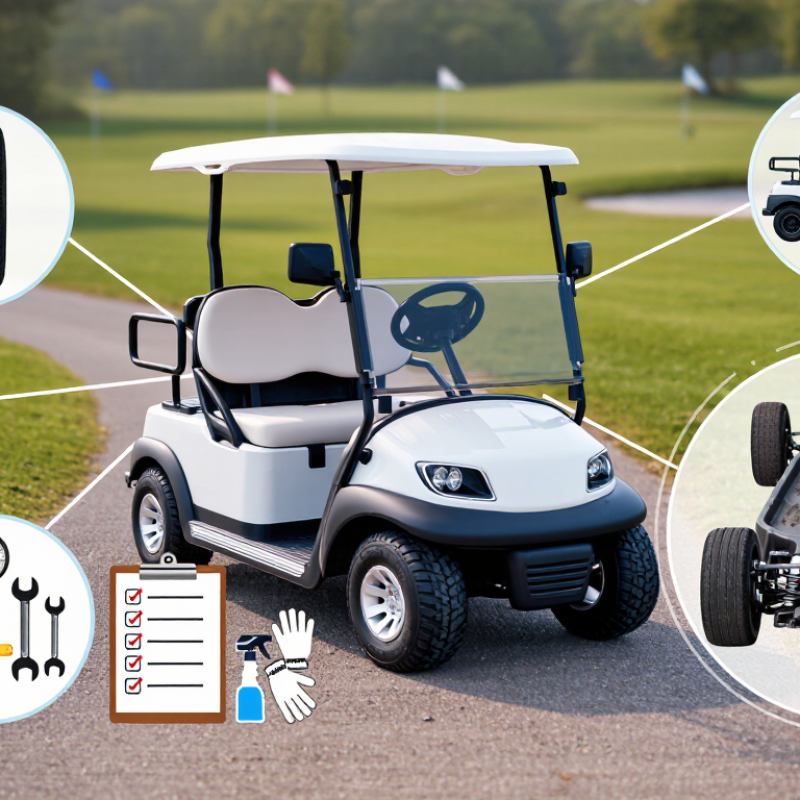
Start by identifying whether your cart is electric or gas-powered, then check the battery chemistry and the service label. Two electric carts can need different care: flooded lead-acid batteries require water-level checks, while lithium batteries do not. Gas carts need engine-oil, air-filter, and belt inspections. Follow the manual for intervals and tire pressure; a generic schedule can miss important details. Small details matter.
Battery Council International reports that about 99% of lead batteries in the United States are recycled. That figure makes safe battery handling and end-of-life planning worth including in your records. For routine care, inspect terminals for corrosion, check cables for looseness, and keep the battery area clean and dry. On flooded batteries, use distilled water and follow the manual’s timing instructions. It is easy to overlook the battery type, especially when replacement packs look similar.
Tips: Write down the cart type, battery chemistry, and last service date. Check tire pressure before a long outing, and look for cracks in the sidewalls. For gas carts, note oil changes and unusual smoke or noise. If a maintenance step is unclear, pause and consult the manual; guessing can turn a small task into a repair.
Set a recurring inspection schedule and keep it somewhere visible, such as on a garage calendar. Before each outing, check the tires for low pressure, cracks, or embedded debris. Look beneath the cart for fresh fluid leaks, and test the brakes and lights. It takes only a few minutes. Once a week, inspect battery connections for looseness or corrosion, following the owner’s manual and using appropriate protective gear. For carts with lead-acid batteries, check electrolyte levels only if the design allows it. Don’t force a sealed battery open. Note unusual sounds, sluggish starts, or steering changes; small symptoms can be easy to dismiss.
Clean the cart every week or after muddy, sandy, or wet use. Rinse grit from the frame and wheel wells with a gentle stream, then wipe the seats, dashboard, and body with mild soap and a soft cloth. Avoid directing water at electrical connectors, the charger, or battery openings. Dry metal surfaces to limit corrosion. Once a month, check tire pressure with a gauge, inspect visible wiring and fasteners, and review your notes for recurring issues. The schedule may slip sometimes. Record missed checks and adjust the calendar, rather than guessing what was inspected. Follow the manufacturer’s maintenance intervals for tasks that require specialized tools or service.
Long-term golf-cart care starts with the battery. For flooded lead-acid batteries, check electrolyte levels regularly and add distilled water only when needed, following the battery maker’s instructions. Keep terminals clean and dry; a thin layer of corrosion can restrict current. Charge after use, and avoid leaving the pack discharged for days. Use a charger matched to the battery chemistry and voltage. A mismatched charger may undercharge or overheat the pack. Even careful owners can overlook a loose connection.
Treat the charger and powertrain as one system. Place the charger in a dry, ventilated area, and inspect its cable and plug for cuts, heat marks, or bent pins. Stop using damaged equipment until it is checked. Keep tires properly inflated, clear grass from the motor area, and listen for new whining, grinding, or vibration. Check axle and drivetrain fasteners during scheduled service. Small changes matter.
Battery Council International’s 2022 National Recycling Rate Study estimated that 99% of lead batteries in the United States were recycled, underscoring the value of using an approved battery-recycling channel when replacement is needed.
Tips: Keep a simple log of charging dates, water checks, and unusual sounds. Clean terminals with suitable protective equipment, and never work around sparks or open flames. If a battery case is swollen or leaking, stop charging and arrange professional inspection.
Before each outing, park the golf cart on level ground and inspect all four tires. Check pressure while the tires are cool, using the figure in the owner’s manual. Look for cracks, bulges, embedded stones, and uneven wear. Uneven tread can point to alignment or steering trouble. A tire can look fine. Don’t rely on appearance alone.
Test the brakes at walking speed in a clear, level area. The cart should slow smoothly and hold still when the parking brake is set. Listen for scraping, and notice whether the pedal feels unusually soft or travels farther than usual. Check the steering wheel for excessive looseness, then turn it gently from side to side. The front wheels should respond without clunks or binding. If the cart pulls, grinds, or feels unpredictable, stop using it until a qualified technician checks it.
Inspect safety features before passengers climb aboard. Confirm that seat belts, headlights, brake lights, reflectors, mirrors, and the horn work, when fitted. Look for loose seat mounts, damaged belt webbing, or cracked light covers. Keep lenses clean; dust can hide a weak light at dusk. A written inspection log helps reveal repeated problems, though it is easy to forget a quick check when you are in a hurry.
Before putting a golf cart away for several weeks, clean mud and grass from the frame, wheels, and battery area. Let everything dry fully. Damp debris can hide corrosion or leave stains. Check the tires and inflate them to the pressure listed in the owner’s manual. Park on a firm, level surface, set the brake as directed, and use a breathable cover. For an electric cart, follow the manual’s storage guidance for its specific battery type; charging recommendations can differ. Keep fuel-powered carts in a ventilated place and follow the manufacturer’s instructions for fuel and engine storage. Small details matter.
Create a service log and update it whenever you inspect, repair, or prepare the cart for storage. Record the date, odometer or hour-meter reading, work completed, and any parts replaced. Note details such as “left rear tire loses pressure” rather than simply writing “checked tires.” Include battery readings when appropriate, but identify the meter and conditions; one reading alone may not show a developing problem. Keep receipts and the next service date with the log. A paper notebook works, though it can get misplaced. A simple phone note may be easier to find, but only if you keep it current. I would not rely on memory—it tends to blur small repairs by spring.
| Record Type | Task or Service | Recommended Timing | Example Record | Notes for Long-Term Care |
|---|---|---|---|---|
| Storage Preparation Checklist | ||||
| Storage preparation | Clean and dry the cart | Before storage | 2026-10-20 — Completed | Remove dirt and debris; dry the body, seats, and floor area to help limit corrosion and mildew. |
| Storage preparation | Inspect the tires | Before storage and periodically while stored | 2026-10-20 — No visible damage; pressure checked | Inflate to the pressure listed for the cart or tire. Check for cracks, cuts, and flat spots. |
| Storage preparation | Park in a dry, ventilated location | For the full storage period | 2026-10-20 — Covered indoor storage | Choose a level area away from heat sources and standing water. Avoid tightly covering a damp cart. |
| Storage preparation | Set the parking brake and secure the cart | Before storage | 2026-10-20 — Brake engaged; wheels chocked | Follow the cart’s parking and storage instructions, especially on sloped surfaces. |
| Storage preparation | Prepare the batteries | Before storage; check periodically | 2026-10-20 — Battery type and condition recorded | Use the charging and storage procedure specified for the battery type. For serviceable flooded lead-acid batteries, check electrolyte only as directed; do not open sealed batteries. Follow the battery maker’s instructions for lithium batteries. |
| Storage preparation | Disconnect or maintain the electrical system as directed | Before extended storage | 2026-10-20 — Storage procedure reviewed | Some carts require a battery disconnect or periodic charging; others use a compatible maintenance charger. Follow the cart and battery instructions. |
| Storage preparation | Prepare the fuel system, if applicable | Before extended storage | 2026-10-20 — Fuel procedure noted | For gasoline carts, follow the engine instructions for fuel stabilization or draining. Store fuel safely and keep it away from ignition sources. |
| Illustrative Service Record | ||||
| Service record | Routine safety inspection | At regular intervals and before frequent use | 2026-04-15 — Brakes, steering, lights, and tires checked | Record the inspection date, findings, and any repairs. Address unusual noise, looseness, or reduced braking promptly. |
| Service record | Battery and cable inspection | At intervals specified in the maintenance schedule | 2026-06-10 — Connections inspected; condition noted | Check for loose connections, corrosion, damaged cables, or leaks. Use appropriate protective equipment and follow battery safety guidance. |
| Service record | Brake inspection or adjustment | As specified in the cart’s maintenance schedule, or if performance changes | 2026-08-22 — Inspection completed; no adjustment required | Record wear, adjustments, and parts replaced. Have repairs performed by a qualified technician when needed. |
| Service record | Lubrication and moving-part inspection | As specified in the cart’s maintenance schedule | 2026-09-12 — Points inspected and serviced per schedule | Use only the lubricants and procedures recommended for the cart; some components require no routine lubrication. |
| Service record | Next service due | Set after each service | 2027-03-12 — Review maintenance schedule | Record the date or operating-hour reading due, along with any follow-up work or parts to monitor. |
Note: Example dates and entries are illustrative. Always use the maintenance schedule and storage instructions for the specific cart and battery.
Check whether it runs on electricity or gas, then identify its battery type and service label. Small labels are easy to miss.
Check water levels as directed and use distilled water. Keep terminals clean, cables secure, and the battery area dry. Do not guess.
No. Follow the manual’s storage and charging guidance, since recommendations vary by battery type.
Track engine-oil changes, air-filter condition, and belt wear. Note unusual smoke or noise, even if the cart still runs.
Use the pressure listed in the manual, then inspect sidewalls for cracks. A quick glance can miss a slow leak.
Remove mud and grass from the frame, wheels, and battery area. Let the cart dry fully, then park on firm, level ground.
Record the date, meter reading, work completed, and parts replaced. Write specific notes, such as “left rear tire loses pressure.” I sometimes forget small details.
Not always. Record the meter and test conditions, too; one reading may not reveal a developing issue. Keep receipts nearby.
Golf Cart Maintenance Tips For Long Term Use begin with understanding your cart’s type, power source, and recommended service needs, since electric and gas-powered models require different care. Create a regular schedule for inspections and cleaning, and check for loose fasteners, corrosion, leaks, worn parts, and debris. Keeping the cart clean and addressing small issues early can help prevent more extensive repairs.
Pay close attention to the battery, charger, and powertrain, following safe charging and care practices suited to your cart. Inspect tire pressure and tread, brakes, steering, lights, and other safety features to help ensure reliable operation. Before storing the cart for an extended period, prepare it according to its power system and storage conditions. Record each inspection, repair, and service date so you can track maintenance, spot recurring problems, and keep the cart in dependable condition over time.

Mingni Golf Carts