Maintaining golf cart batteries is crucial for their longevity and performance. To ensure they serve you well, you must adopt the Best Practices for Golf Cart Battery Care. Understanding battery maintenance is not just about extending lifespan; it’s about enhancing your overall golf experience.
Many owners overlook simple care tips that could save money in the long run. Regular checks, proper charging, and cleaning can make a significant difference. Ignoring these practices may lead to battery failure or decreased performance. An educated approach can prevent costly replacements and ensure reliable functionality.
Investing time in this care pays off. This effort includes checking fluid levels and ensuring connections are clean. Reflecting on your current routine helps identify areas for improvement. Implementing best practices will lead to a more enjoyable golfing experience.
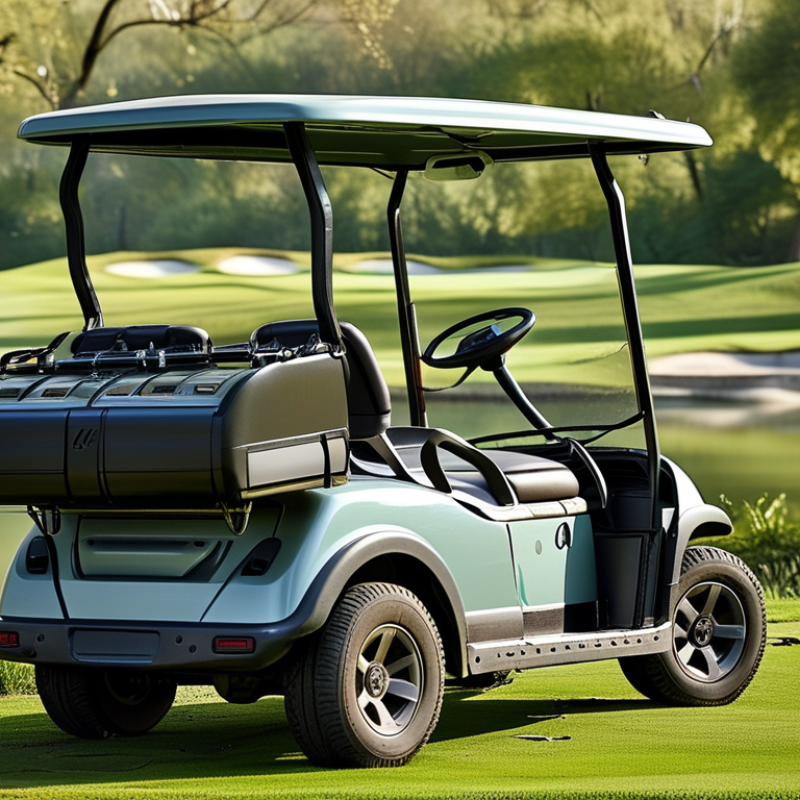
When it comes to golf cart batteries, understanding the types available is crucial for longevity. Typically, lead-acid and lithium-ion batteries are the most common options.
Lead-acid batteries are affordable but need regular maintenance. They can last around four to six years if cared for properly. On the other hand, lithium-ion batteries offer a longer lifespan of up to ten years. However, they come with a higher initial cost.
Pay attention to charging practices to maximize battery life. Ensure batteries are charged fully and regularly. Avoiding deep discharges is key. For lead-acid batteries, check water levels frequently. Neglecting this can lead to reduced performance. With lithium-ion, monitor charging cycles to avoid overcharging.
Batteries are often forgotten until something goes wrong. It's essential to inspect them regularly. Look for signs of corrosion or swelling. These issues can indicate underlying problems. By addressing them early, you prevent costly replacements. Regular maintenance and understanding battery types can significantly enhance performance.
Charging golf cart batteries correctly is crucial for extending their lifespan. Many people overlook the importance of proper charging habits. Regularly charging batteries after each use helps maintain their optimal performance. Avoid letting them drain completely before recharging. This practice can lead to sulfation, which damages battery cells.
Charging should be done slowly, using a compatible charger. Fast charging can generate excess heat, reducing the battery's overall efficiency. It’s vital to monitor the charge level. Overcharging can also harm batteries, so consider using a charger with an automatic shut-off feature.
Temperature plays a significant role. Batteries perform best at moderate temperatures. Extreme heat or cold can affect their lifespan and performance. Reflect on your current charging practices. Are you leaving your batteries connected for too long? Maintaining a consistent charging routine and being mindful of the battery's condition can substantially improve longevity. These choices might seem small but can lead to better battery health in the long run.
Proper maintenance routines are essential for extending the lifespan of golf cart batteries. Regular watering is crucial. Battery cells need to be filled with distilled water after charging. This can prevent sulfur buildup and prolong battery life. Studies show that batteries properly maintained can last 30% longer than those neglected.
Equal attention should be given to charging practices. Overcharging can lead to reduced efficiency. Feedback from industry professionals suggests a consistent charging routine. Charging after every use ensures optimal performance. Additionally, avoid fast charging methods. These can stress the battery and diminish its lifespan.
Battery temperature is another vital factor. Extreme heat or cold can damage battery components. Ideally, batteries should be kept in a climate-controlled space. Regular cleaning of battery terminals is necessary, too. Corrosion can hinder connectivity and performance. Routine checks can help spot issues early. Remember, even minor neglect can lead to significant impacts. Assessing these factors regularly ensures a longer-lasting battery.
When it comes to golf cart batteries, recognizing the signs of wear is crucial. One common indicator is decreased performance. If your cart struggles to maintain speed on the course, it may be time for a battery check. Look for a reduction in range. A fully charged battery should take you several miles. If it can't, the batteries might be nearing the end of their life.
Physical signs can also reveal issues. Corrosion around the terminals indicates potential problems. Cracks or bulges in the casing signify that the battery is failing. These visual cues often precede significant performance drops. Regular inspections can help catch these issues early.
Pay attention to the age of your batteries as well. Most lead-acid golf cart batteries last around four to six years. If yours are older than that, consider replacing them, even if they seem to function well. Relying on them beyond their life span can lead to sudden failures. Always prioritize safety and performance on the course by staying proactive about battery care.
This chart illustrates the importance levels of various best practices for maintaining golf cart batteries and indicators for battery replacement. Regular maintenance ranks highest, highlighting its critical role in prolonging battery life.
Proper storage techniques significantly influence the longevity of golf cart batteries. Storing batteries in a controlled environment is crucial. Extreme temperatures can lead to reduced performance and lifespan. Ideally, batteries should be kept in a cool, dry place, away from direct sunlight. Research indicates that batteries stored between 50°F and 80°F (10°C to 27°C) fare much better over time.
Regular maintenance is equally important. Check water levels in flooded batteries monthly. Low water levels can cause irreversible damage. According to industry studies, batteries maintained at proper water levels can last up to 25% longer than those not maintained.
Tips for optimal storage: Keep batteries fully charged before storage. A fully charged battery prevents sulfation, a common issue that reduces efficiency. Also, consider using a battery maintainer to ensure consistent charge levels during prolonged inactivity. Disconnect cables while in storage to avoid unintentional drainage. These simple practices can make a significant difference in ensuring your batteries remain healthy and effective for years to come.
| Practice | Description | Frequency | Impact on Longevity |
|---|---|---|---|
| Regular Charging | Charge after each use to maintain battery health. | After every use | High |
| Proper Storage | Store in a dry, cool place away from direct sunlight. | Seasonally or long-term storage | Medium |
| Water Levels | Check and refill water in batteries regularly. | Monthly | High |
| Cleaning Terminals | Clean battery terminals to prevent corrosion. | Every few months | Medium |
| Avoid Deep Discharge | Prevent the battery from going below 50% charge. | Always | Very High |
: The most common types are lead-acid and lithium-ion batteries.
Lead-acid batteries typically last around four to six years with proper maintenance.
Lithium-ion batteries can last up to ten years but have a higher initial cost.
Fully charge batteries regularly and avoid deep discharges to extend their lifespan.
Regularly check water levels in lead-acid batteries to prevent performance issues.
Extreme temperatures can damage battery components, affecting performance and lifespan.
Store batteries in a cool, dry place, ideally between 50°F and 80°F.
Low water levels in flooded batteries can cause irreversible damage and reduce longevity.
Yes, fully charging batteries before storage prevents sulfation and enhances efficiency.
Regular inspections help catch early signs of corrosion or damage to prevent costly replacements.
When it comes to ensuring the longevity of your golf cart batteries, adhering to the **Best Practices for Golf Cart Battery Care** is essential. Understanding the different types of golf cart batteries and their respective lifespans is the first step in effective battery management. Implementing essential charging practices helps maintain optimal performance, while regular maintenance routines can significantly extend the life of your batteries.
Additionally, recognizing signs of battery wear is crucial to knowing when it’s time for a replacement. Proper storage techniques are also vital for maintaining the health of golf cart batteries over the long term. By following these best practices, golf cart owners can enhance battery performance and ensure reliable service for years to come.

Mingni Golf Carts