An uncomfortable golf cart can make a short trip feel surprisingly long. You may notice every bump through a firm seat, hear loose trim rattle, or brace yourself when the cart crosses uneven pavement. The right changes can make everyday rides more pleasant without turning a simple cart into a complicated project. The Best Upgrades For Improving Golf Cart Comfort often start with practical details: supportive seating, properly chosen tires, smoother suspension, and a steering wheel that feels natural in your hands.
This guide explores ten comfort upgrades and what each one can realistically improve. Some options focus on cushioning; others help reduce vibration, wind, or exposure to changing weather. Fit matters. Check your cart’s make, model, existing components, and manufacturer guidance before buying parts. A plush seat cannot correct worn suspension, and larger tires are not automatically a better choice. Small changes matter.
Comfort is personal, too. A smooth ride on a paved path may still feel rough on gravel, while an enclosure that helps on a windy morning may feel stuffy on a warm afternoon. Consider where you drive, who rides with you, and how much maintenance you are willing to handle. These recommendations are a starting point, not a promise of perfection. Sometimes the first upgrade is simply finding the part that has been bothering you most.
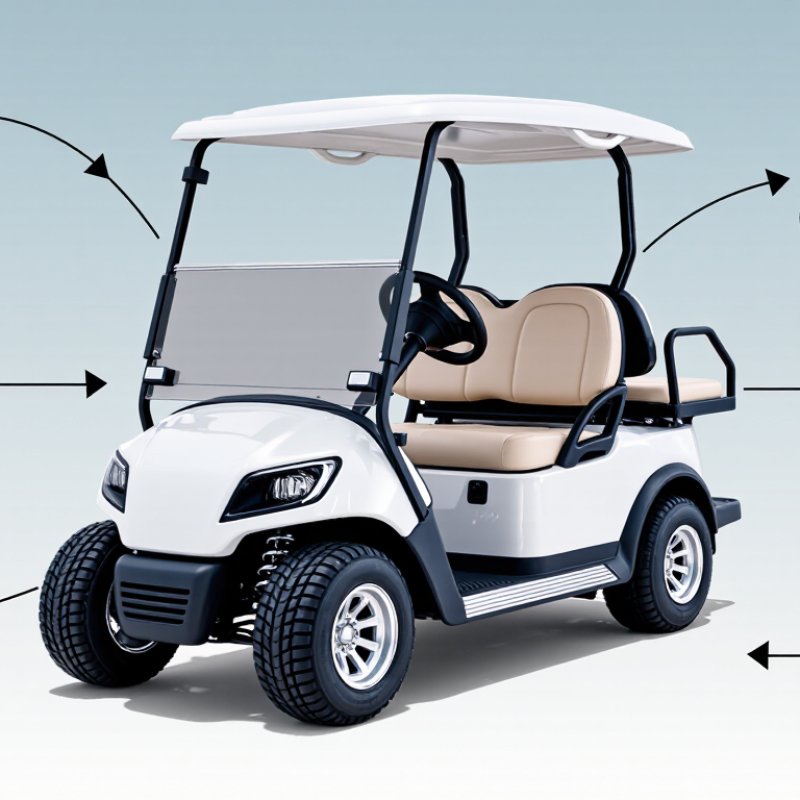
A smoother ride starts with knowing what kind of cart you have. Under the federal definition, a low-speed vehicle is a four-wheeled vehicle designed to travel faster than 20 mph, but no faster than 25 mph, on a paved, level surface. That narrow range matters. A standard golf cart does not become an LSV just because it receives a new seat or suspension parts.
Comfort changes should respect the vehicle’s design. A supportive seat can reduce pressure on the hips, while properly matched tires may soften bumps from cracked pavement. Suspension adjustments need care. Too much softness can make a cart feel unsettled during turns, especially with passengers aboard. Small details count. Check tire pressure before judging ride quality; overinflated tires can make every seam in the road feel sharper.
I used to think comfort upgrades were mostly about cushioning. That misses the bigger question: does the cart remain stable and predictable? Changes to tires, suspension, or added weight may affect handling and braking. Keep the vehicle’s intended speed and equipment in mind, and consult its documentation before modifying it. Local requirements can differ, too. A pleasant ride is useful, but it should not come at the cost of control.
Use this guide to compare practical comfort improvements and understand the federal speed-based definition of a low-speed vehicle (LSV). Compatibility and road-use requirements depend on the cart and local regulations.
| # | Upgrade | How It Can Improve Comfort | Practical Consideration |
|---|---|---|---|
| 1 | Comfort seat cushions | Add padding and support for longer rides, especially on firm factory seats. | Choose a secure, weather-appropriate cushion that does not interfere with seat belts or seating position. |
| 2 | Ergonomic replacement seats | Contoured cushions and supportive backrests can make the seating position more comfortable. | Check mounting compatibility, passenger capacity, and seat-belt anchorage requirements before installation. |
| 3 | Suspension inspection and service | Worn shocks, bushings, or springs can contribute to excess bouncing, noise, or instability; replacing worn parts can restore intended operation. | Use components compatible with the cart and have suspension work checked by a qualified technician. |
| 4 | Correctly sized, suitable tires | Appropriate tires can help the cart roll smoothly on the surfaces for which they are designed. | Follow the vehicle maker’s tire-size and inflation guidance. Oversized tires can affect handling, braking, and speedometer readings. |
| 5 | Routine tire-pressure checks | Keeping tires at the specified pressure helps maintain predictable handling and tire performance. | Check pressure when tires are cold and use the pressure specified for the vehicle and tire—not a lower pressure to soften the ride. |
| 6 | Steering-wheel position and grip improvements | A comfortable grip and suitable driving position can reduce strain on the hands, shoulders, and back. | Any replacement steering wheel must be securely fitted and must not obstruct visibility or controls. |
| 7 | Armrests and grab handles | Provide additional support for passengers getting in, sitting, and riding. | Install securely and keep handles clear of seat belts, doors, and entry or exit paths. |
| 8 | Floor mats and footrests | A cushioned, non-slip surface can make foot placement more comfortable and help limit vibration felt through the floor. | Secure mats so they cannot slide under pedals or interfere with safe entry and exit. |
| 9 | Weather enclosure | A suitable enclosure can reduce exposure to wind and rain, making rides more comfortable in changeable weather. | Maintain clear sightlines and adequate ventilation; use only an enclosure compatible with the cart. |
| 10 | Noise and vibration checks | Finding and correcting loose panels, worn mounts, or rattling accessories can make the ride quieter and less distracting. | Diagnose the source rather than covering it up; unusual noise or vibration may indicate a maintenance issue. |
| Classification detail | Federal definition or requirement | What It Means |
|---|---|---|
| Design-speed range | More than 20 mph and not more than 25 mph, measured over 1 mile on a paved, level surface. | The federal range is greater than 20 mph and up to and including 25 mph; it is not simply a 20–25 mph operating recommendation. |
| Vehicle configuration | An LSV is a four-wheeled motor vehicle under the federal definition. | A golf cart does not become an LSV solely because it has comfort accessories or is capable of a particular speed. |
| Gross vehicle weight rating | The federal definition specifies a GVWR of less than 3,000 pounds. | GVWR is the vehicle’s rated maximum loaded weight, not its current weight. |
| Federal safety standard | LSVs are subject to Federal Motor Vehicle Safety Standard No. 500, which specifies required equipment. | Required equipment includes items such as specified lighting, reflectors, a parking brake, a windshield, a VIN, and seat belts. |
| Street-use rules | State and local laws may set additional rules for registration, licensing, insurance, roads, and operation. | Check the rules where the vehicle will be driven. Meeting the federal LSV definition does not by itself authorize travel on every road. |
Check cold tires with a reliable gauge. Compare readings with the cart’s manual or placard. Looks can fool you.
Low pressure may make steering feel heavy and tires flex over bumps. High pressure can make bumps feel sharper.
Sit in your usual driving position while parked. Notice whether your hips feel level and your lower back feels supported.
Not always. A cushion may shift or raise your seating position awkwardly. Try it before keeping it.
Drive the same short route at a steady, safe speed. Note whether vibration comes through the seat, floor, or steering wheel.
Look for loose cargo, worn tires, or visible wheel damage. Persistent vibration deserves a qualified technician’s inspection.
They can change steering and vibration. Match parts to the cart’s weight and usual surfaces, not just appearance.
Secure floor mats and check that footrests fit your legs. Armrests should not block entry or movement.
Check rattling panels and worn rubber mounts first. Keep vents and service access clear. Padding will not fix worn suspension.
Repeat the same route and listen for new knocks. My first notes may be imperfect; different surfaces can change the feel.
A smoother golf cart ride starts with understanding how the vehicle is designed to be used. Low-speed vehicles may fall within a 20–25 mph design-speed range, so classify the cart appropriately before choosing comfort improvements. Then assess its current condition: check tire pressure, seat support, and sources of vibration. These simple checks can reveal whether discomfort comes from routine maintenance needs or from components that may benefit from an upgrade.
The Best Upgrades For Improving Golf Cart Comfort can include suitable tires, well-matched shocks and springs, and properly aligned wheels to help reduce jolts and uneven handling. Inside the cabin, supportive seats, armrests, an adjustable-feeling steering setup, comfortable footrests, and thoughtful noise control can make longer trips more pleasant. Weather protection may also help keep the ride comfortable in changing conditions. After making changes, review the cart’s safety features and ensure the completed setup remains consistent with applicable ANSI/ITSDF B56.8 guidance.

 Mingni Golf Carts