How To Make Your Golf Cart Last Longer In 2026?

Time:2026-09-30 Author:Madeline
0%

How To Make Your Golf Cart Last Longer In 2026? The answer begins with realistic usage, not expensive upgrades. The National Golf Foundation’s recent participation reports show strong U.S. golf demand, with 47.2 million on-course golfers recorded in 2023. More rounds can mean more charging cycles, heavier loads, and faster wear across shared cart fleets.

Small neglect becomes expensive.

Golf Cart Longevity Tips For Owners should begin with the parts you can inspect every week. Check tire pressure before driving. Look for loose battery cables, corrosion, cracked terminals, and frayed charging cords. Lead-acid battery life commonly reaches four to six years when charging and watering routines follow manufacturer guidance, according to technical information from Trojan Battery and major cart manufacturers. Poor charging habits can shorten that window considerably.

Club Car and E-Z-GO maintenance manuals also emphasize scheduled inspections, correct fluid levels, brake checks, and proper storage. These details feel ordinary. They are not. A cart parked under a hot roof, carrying four adults uphill, experiences different stress than a lightly used neighborhood cart.

The Battery Council International’s recycling reports show that lead batteries remain highly recyclable, supporting responsible replacement rather than unsafe disposal. Still, replacement should not be the first solution. A weak battery may reflect a faulty charger, corroded connection, underinflated tire, or parasitic electrical drain.

This guide connects manufacturer recommendations with practical ownership experience. It also admits an uncomfortable truth: many owners maintain carts only after performance drops. That habit is costly. In 2026, longer cart life will depend on simple records, earlier inspections, and a willingness to question familiar routines.
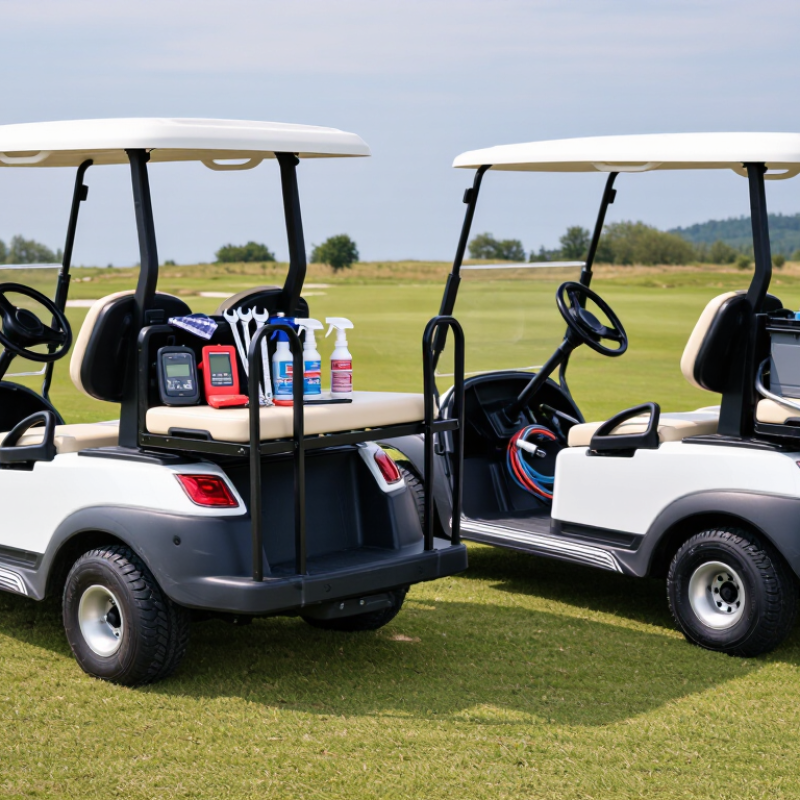
How To Make Your Golf Cart Last Longer In 2026?

Understand the Main Factors That Affect Golf Cart Lifespan

How To Make Your Golf Cart Last Longer In 2026?

Understand the Main Factors That Affect Golf Cart Lifespan

A golf cart’s lifespan depends on maintenance, driving habits, storage, and operating conditions. Battery care usually matters most for electric carts. Charging after regular use prevents deep discharge and reduces stress on battery cells. Check water levels in serviceable batteries every few weeks. Use distilled water, and never fill above the recommended line. Loose terminals can create heat, so inspect and clean them carefully.

Terrain also changes wear. Steep hills, rough paths, and frequent heavy loads strain the motor, controller, suspension, and brakes. Keep tires properly inflated, because underinflation increases rolling resistance. Inspect tread and sidewalls for cracks. A dry, shaded storage area protects electrical parts from heat and moisture. I once ignored a small brake noise, and the repair became more expensive than expected. That mistake still influences my inspection routine.

Tips: Keep a simple service log. Record charging habits, tire pressure, brake checks, and battery-water dates. Electric carts need clean connections and correct charging equipment. Gas-powered carts require fresh fuel, oil checks, filter replacement, and cooling-system inspections. Avoid carrying more weight than the cart is designed to handle. Follow the service schedule in the owner’s manual, even when the cart seems to run normally. Small problems rarely stay small.

Follow a Regular Battery Inspection and Charging Routine

How To Make Your Golf Cart Last Longer In 2026?

A dependable golf cart begins with a disciplined battery routine. Inspect the battery area after every few rides. Look for cracked cases, loose cables, corrosion, or damp spots. A white, powdery buildup around terminals signals poor contact. Clean it carefully with a battery-safe brush, then tighten connections without forcing them.

Charge the batteries after each substantial trip. Do not leave a partially discharged pack unused for several days. For flooded lead-acid batteries, check electrolyte levels after charging and add distilled water only when needed. Never overfill. Lithium batteries require different care, so follow the supplied charging instructions and never add water. Keep the charger and vents dry, cool, and unobstructed.

Small records help.

The U.S. Department of Energy’s 2023 Vehicle Technologies Market Report identifies temperature, charging control, and depth of discharge as major influences on battery performance. Battery Council International’s 2024 recycling study reports that lead batteries achieve a recycling rate above 99% in North America, showing their established service ecosystem. Still, recycling does not prevent neglect. In my experience, owners often inspect voltage but ignore cable heat after charging. That is a mistake worth reconsidering. A warm connector, slow charging cycle, or sudden range loss deserves prompt testing by a qualified technician. Store the cart with a suitable charge level, not completely empty, and inspect it monthly during long periods of non-use.

Maintain Tires, Brakes, Steering, and Suspension Systems

How To Make Your Golf Cart Last Longer In 2026?

Tires deserve weekly attention. Check pressure when the tires are cold, using the vehicle’s recommended setting. Underinflation increases heat, drag, and sidewall damage. The National Highway Traffic Safety Administration reports about 11,000 tire-related crashes yearly, with underinflation as a recurring factor. Look for uneven wear, exposed cords, cracks, or a rounded tread. Replace damaged tires immediately. Small stones can hide inside grooves.

Brakes need a firm, predictable pedal. On a quiet surface, test stopping before regular use. Grinding, pulling, excessive pedal travel, or a hot wheel signals trouble. CPSC analysis of 2007–2009 emergency-department data estimated roughly 15,000 golf-cart injuries annually. Many incidents involve poor control or unsafe speed. That figure is old, but still useful. It should make owners pause. Inspect cables, pads, drums, and brake fluid according to the service schedule. Clean mud from moving parts after wet rides.

Steering and suspension reveal problems early. Raise the front safely, then check for loose tie-rod ends, worn bushings, leaking shocks, or wheel play. Turn the steering slowly. Clunks matter. Uneven ride height also matters. I once ignored a slight pull, assuming it came from the road. It was alignment wear. That assumption cost more than a basic inspection. Record tire pressure, brake checks, and repairs in a simple log. A missed entry can become a missed warning.

How to Make Your Golf Cart Last Longer in 2026

Suggested preventive-maintenance intervals for tires, brakes, steering, and suspension systems

Check tire pressure weekly, and inspect the brakes, steering, and suspension at least monthly. More frequent inspections may be necessary on rough terrain, in wet conditions, or with heavy use. Always follow the maintenance schedule and specifications in your golf cart’s owner’s manual.

Protect the Cart From Weather, Corrosion, and Storage Damage

How To Make Your Golf Cart Last Longer In 2026?

Protect the Cart From Weather, Corrosion, and Storage Damage

A golf cart parked outdoors faces more than faded seats. Rain reaches battery terminals, salty air attacks hardware, and sunlight hardens plastic. The AMPP IMPACT study estimates global corrosion costs exceed 2.5 trillion dollars yearly, or about 3.4% of worldwide economic output. That figure covers many industries, but the warning applies here. Small corrosion points can become expensive repairs.

Use a fitted, breathable cover after the cart is completely dry. Trapped moisture can be worse than light rain. Keep the cart on a level surface, away from puddles and sprinklers. Inspect the frame, brake cables, fasteners, and battery connections every month. A small white deposit around a terminal deserves attention. I once ignored one. The connection later became unreliable.

Battery storage needs discipline. Lead-acid batteries should remain charged, while water levels require checking with distilled water when applicable. Never overfill them. Lithium batteries also dislike prolonged heat; the U.S. Department of Energy notes that extreme temperatures can reduce battery performance and accelerate aging. Store the cart in a shaded, ventilated area, not inside a sealed hot container. Disconnecting power may help during long storage, but the correct procedure depends on the battery system. Check the service manual. Guessing here is costly. During wet seasons, wash off mud and road salt, then dry hidden areas around the suspension and underside. A soft brush works better than aggressive pressure near electrical parts.

Use Safe Driving Habits and Schedule Professional Servicing

How To Make Your Golf Cart Last Longer In 2026?

Safe driving habits protect a golf cart more than many owners expect. Accelerate gently, brake early, and avoid sharp turns on loose ground. Slow down. On slopes, maintain a steady speed and never overload the seats or cargo area. Keep both hands on the steering wheel when the path becomes uneven. Potholes can damage suspension parts, wheels, and steering components surprisingly quickly. Do not tow heavy loads unless the cart’s manual permits it. A quiet ride does not always mean everything is healthy.

Professional servicing should follow the manufacturer’s recommended schedule, even when the cart still feels normal. Have a qualified technician inspect the brakes, tires, steering, suspension, wiring, and battery connections. For electric carts, terminals should remain clean, tight, and free from corrosion. Battery cables need careful handling. For fuel-powered models, servicing should include the engine, belts, filters, and fluid levels. Ask the technician to check for small leaks and unusual belt wear.

Keep simple service records with dates and mileage or operating hours. This helps identify repeated problems before they become expensive. Do not wait for weak braking or strange noises. No schedule is perfect. Weather, heavy use, and rough paths change maintenance needs. I sometimes see owners focus only on battery charging and overlook tire pressure. That mistake affects handling and can shorten the life of several components. A short inspection after demanding use can reveal loose hardware, damaged tires, or debris around moving parts.

How To Make Your Golf Cart Last Longer In 2026? Use Safe Driving Habits and Schedule Professional Servicing

Action Recommended Timing Practical Guidance How It Helps
Drive at a controlled speed Every trip Accelerate gradually, slow down before turns, and avoid sudden braking. Follow posted speed limits and the cart’s operating instructions. Reduces stress on the motor, drivetrain, brakes, and tires.
Stay within the rated passenger and cargo capacity Every trip Check the cart’s capacity information before carrying passengers or equipment. Secure loads and distribute weight evenly. Helps prevent excess strain on the frame, suspension, tires, and brakes.
Use suitable routes and terrain Every trip Avoid steep slopes, deep water, rough ground, and obstacles unless the cart is designed for those conditions. Do not coast downhill in neutral. Limits impact damage and helps maintain control of the cart.
Check tires and tire pressure Monthly and before extended use Inspect for cuts, uneven wear, and visible damage. Set pressure to the value listed on the tire or in the cart’s manual; do not use a generic pressure figure. Supports safe handling and reduces uneven tire wear and unnecessary rolling resistance.
Clean and inspect battery connections Monthly, or as directed in the manual Look for loose connections, corrosion, or damaged cables. Turn the cart off and follow the manufacturer’s safety instructions before inspection; avoid contact with battery chemicals. Helps maintain reliable electrical connections and can reveal problems early.
Maintain flooded lead-acid batteries Check electrolyte level regularly; frequency depends on use For serviceable batteries only, follow the manual for watering and charging. Use distilled water when topping up, and never add water to sealed batteries. Proper care helps reduce premature battery damage. Battery designs differ, so follow the specific instructions for your cart.
Charge batteries correctly After use, according to the battery manual Use a compatible charger in a dry, ventilated area. Keep charging equipment and battery terminals clean, and follow the specified charging procedure. Helps avoid charging-related damage and keeps the cart ready for its next use.
Check brakes, steering, and lights Before regular use; arrange inspection if anything feels abnormal Watch for pulling, unusual noise, excessive steering play, weak braking, or lights that do not work. Stop using the cart if a safety-critical fault is suspected. Supports safe operation and helps identify wear before it becomes a larger repair.
Schedule professional servicing At the interval in the owner’s manual, commonly at least annually for regularly used carts Ask a qualified technician to inspect brakes, steering, suspension, tires, electrical connections, battery condition, and drivetrain components as applicable. Professional checks can identify developing issues and keep maintenance aligned with the cart’s design and use.
Prepare the cart for long-term storage Before storage and during the storage period Clean and dry the cart, park it in a suitable location, and follow the battery maker’s storage and charging guidance. Check the cart periodically. Helps limit corrosion, battery deterioration, and damage from prolonged inactivity.

Note: Maintenance intervals and procedures vary by cart, battery type, climate, and frequency of use. Always follow the owner’s manual and consult a qualified technician when in doubt.

FAQS

What factors affect a golf cart’s lifespan?

Maintenance, driving habits, storage, and terrain all matter. Battery care often has the biggest effect on electric carts.

How should I care for an electric cart’s battery?

Recharge after regular use to avoid deep discharge. Check serviceable lead-acid battery water every few weeks, using distilled water. Stop at the recommended fill line.

Can rough terrain wear out a cart faster?

Yes. Steep hills, rough paths, and heavy loads strain the motor, suspension, and brakes. Stay within the cart’s rated load.

How do tire checks help protect a cart?

Keep tires at the recommended pressure. Underinflated tires increase rolling resistance. Check tread and sidewalls for cracks.

Where should I store a golf cart?

Choose a dry, shaded, ventilated area on level ground, away from puddles and sprinklers. Cover the cart only when it is fully dry.

Which parts should I inspect for corrosion?

Check the frame, brake cables, fasteners, and battery connections monthly. Small deposits matter. Wash off mud or salt, then dry hidden areas underneath.

What should I consider during long-term storage?

Lead-acid batteries should remain charged. Lithium batteries can age faster in prolonged heat. Power-disconnection steps vary, so check the service manual. Guessing can be costly.

What belongs in a simple maintenance log?

Record charging habits, tire pressure, brake checks, and battery-water dates. I once ignored a small brake noise, and the repair cost more than expected.

Conclusion

Keeping a golf cart dependable in 2026 starts with understanding what affects its lifespan: battery condition, maintenance, driving habits, and exposure to the elements. Golf Cart Longevity Tips For Owners begin with a consistent battery routine. Inspect connections and cables, keep the battery clean, and follow the correct charging practices for its type. Regularly check tire pressure and wear, and make sure the brakes, steering, and suspension are working smoothly. Addressing small problems early can help prevent more costly repairs.

Weather protection and thoughtful storage also make a difference. Park the cart in a dry, sheltered area when possible, clean off dirt and moisture, and check for signs of corrosion or damage after periods of storage. Drive at sensible speeds, avoid harsh starts and stops, and do not overload the cart. Pair these habits with scheduled professional servicing so that developing issues are found and handled before they shorten the cart’s useful life.

Madeline

Madeline

Madeline is a dedicated marketing professional with a wealth of expertise in our company's core offerings. With a keen understanding of the industry, she brings a unique perspective to her role, consistently delivering high-quality content that highlights the superior aspects of our products. As......