Winter can turn a dependable utility vehicle into a costly problem. Freezing temperatures, ice, road salt, and short daylight hours challenge engines, batteries, tires, hydraulics, and electrical systems. How To Maintain Utility Vehicles During Winter begins with understanding these seasonal risks before they become breakdowns.
A practical winter routine should include a cold-start inspection, fluid checks, tire-pressure testing, and careful cleaning. Inspect battery terminals for corrosion, because a weak connection may fail on a freezing morning. Check coolant protection with a tested gauge, not by appearance alone. Grease exposed joints according to the manufacturer’s service schedule. Snow packed around wheel wells can restrict steering and damage components. Small details matter.
Keep emergency equipment inside the vehicle. Include traction materials, gloves, a flashlight, reflective markers, and basic tools. After driving on salted roads, rinse the undercarriage when conditions allow. Dry the cab and inspect door seals to prevent frozen locks and moisture damage. Operators should record unusual noises, slow cranking, fluid leaks, and warning lights. These notes help technicians diagnose problems accurately.
Even a careful plan has weaknesses. A vehicle may pass an inspection and still fail under heavy load. Test it in realistic conditions, but never ignore manufacturer guidance or trained technicians. Maintenance records, qualified inspections, and timely repairs provide stronger protection than assumptions. With disciplined checks and practical experience, winter operation becomes safer, more predictable, and less expensive. Still, weather changes quickly. Stay alert.
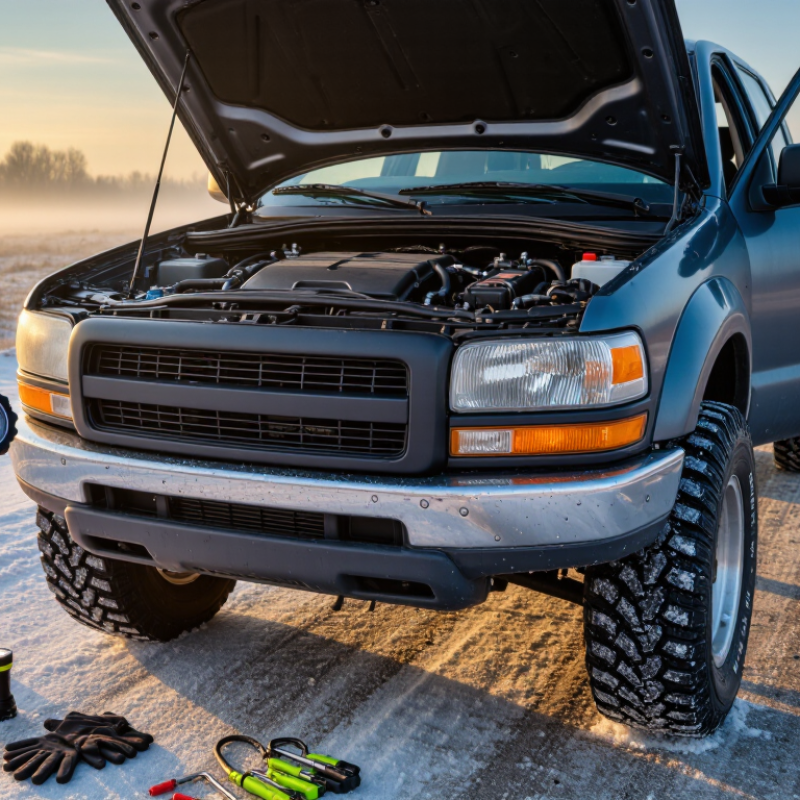
Winter preparation should begin before the first freezing night. Inspect coolant strength, battery terminals, belts, hoses, lights, and windshield washers. A weak battery may start normally today and fail after one cold shift. The U.S. Department of Energy reports that extreme cold can reduce electric vehicle range by roughly 10% to 40%. Electric utility fleets need charged batteries, heated storage where possible, and realistic route planning. Keep charging cables dry and inspect them for cracks.
Tire pressure deserves daily attention. NHTSA guidance states that tires can lose about 1 psi for every 10°F temperature drop. Check pressure before driving, not after a long route. Confirm tread depth, spare-tire condition, and traction equipment. The AAA Foundation found that cold weather and cabin heating reduced electric vehicle range by up to 41% in testing. That figure changes with vehicle design and driving habits, but it deserves respect.
Carry blankets, gloves, warning triangles, a shovel, and approved recovery equipment. Remove packed snow from mirrors, steps, lamps, and roof areas. One mistake I still see is checking only the engine. It is not enough. A clean cab, dry floor, and functioning defroster also protect the operator. Maintenance records should note weather, mileage, tire readings, and battery results. Small omissions become expensive lessons.
Cold weather exposes small maintenance faults in utility vehicles. Start with fluids. Check engine oil before the first shift, when the engine is cool. Confirm the coolant level and test its freeze protection with a suitable tester. Weak coolant can freeze inside the radiator and cause expensive damage. Inspect hydraulic and brake fluids for low levels, cloudiness, or contamination. Look beneath the vehicle for fresh drips. Do not judge fluid condition by color alone. Washer fluid should also be rated for freezing temperatures. A frozen reservoir can crack after one cold night.
Batteries need close attention. Clean corrosion from the terminals, tighten the connections, and check the case for swelling or cracks. A voltage and load test can reveal weakness that a quick start will hide. Inspect tires when they are cold, then adjust pressure to the vehicle’s recommended setting. Cold air lowers pressure noticeably. Check tread depth, sidewalls, valve stems, and embedded stones. A tire may look acceptable but still lose pressure overnight. Examine belts, hoses, lights, wipers, mirrors, and heating controls before work begins. Clear packed snow from wheel wells and underbody areas. Grease exposed joints when the service schedule requires it. A checklist helps, but it is not perfect. Weather changes quickly. Record unusual noises, slow cranking, and repeated pressure loss, even when the vehicle remains usable.
| Maintenance Area | What to Inspect | Recommended Winter Standard or Action | Inspection Frequency | Warning Signs | Priority |
|---|---|---|---|---|---|
| Engine Coolant | Coolant level, freeze protection, leaks, hose condition, and radiator cap. | Use the vehicle manufacturer’s specified coolant. Test freeze protection before temperatures drop below freezing and maintain the level between the marked reservoir limits. | Before winter and monthly | Low coolant, visible leaks, damaged hoses, overheating, or a sweet smell near the engine compartment. | High |
| Engine Oil | Oil level, viscosity specification, contamination, and service interval. | Use the viscosity grade approved for the vehicle and climate. Cold temperatures can make oil thicker, increasing starting resistance. | Monthly and before severe cold | Oil below the minimum mark, milky appearance, metallic particles, or difficult cold starts. | High |
| Fuel System | Fuel level, fuel filter, water contamination, and fuel-line condition. | Keep the tank adequately filled to reduce condensation. Drain or replace water-collection components according to the maintenance schedule. | Weekly during winter | Hard starting, engine hesitation, stalling, or visible water in the fuel separator. | High |
| Battery and Charging System | Battery state of charge, terminals, cables, case condition, and alternator output. | Clean and tighten terminals, secure the battery, and test it before winter. Cold weather reduces available battery performance, especially when the battery is older or partially discharged. | Before winter and monthly | Slow cranking, swollen battery case, corroded terminals, dim lights, or repeated jump-starts. | High |
| Starting and Glow-Plug System | Starter operation, ignition components, glow plugs on diesel vehicles, and electrical connections. | Have the starting system tested if cranking speed is slow. Allow the required preheating cycle for diesel engines before starting. | Before winter and as needed | Extended cranking, clicking sounds, smoke during startup, or failure to start in cold conditions. | High |
| Tires | Tread depth, inflation pressure, sidewalls, valve stems, and uneven wear. | Check pressure when tires are cold and adjust to the vehicle’s specified pressure. Cold weather lowers tire pressure, so inspect it regularly. | Weekly and before long trips | Low pressure, cracks, bulges, exposed cords, uneven wear, or inadequate tread for snow and slush. | High |
| Braking System | Brake fluid, pads or shoes, rotors or drums, lines, hoses, parking brake, and anti-lock warning light. | Keep brake fluid at the specified level and remove accumulated snow, ice, salt, and mud from braking components when safe to do so. | Monthly and after severe exposure | Soft pedal, pulling during braking, grinding, fluid leaks, vibration, or warning lights. | High |
| Transmission and Hydraulic Fluids | Fluid level, leaks, fluid color, hoses, fittings, and operating response. | Use the specified fluid and inspect for leaks. Allow hydraulic systems to warm gradually before applying heavy loads or operating attachments. | Monthly and before heavy use | Slow hydraulic movement, noisy operation, slipping, foamy fluid, or leaking seals and fittings. | High |
| Windshield Washer System | Washer-fluid level, spray nozzles, pump, wiper blades, and reservoir. | Use winter-rated washer fluid with a freezing point suitable for the local climate. Do not dilute it with plain water in freezing weather. | Weekly | Frozen fluid, weak spray, streaking blades, blocked nozzles, or cracked reservoir. | Medium |
| Wipers, Defroster, and Heater | Wiper blade condition, defroster airflow, heater performance, cabin filter, and ventilation outlets. | Replace damaged blades and verify that the windshield clears effectively before operation. Never use hot water to remove ice from glass. | Before winter and weekly | Reduced visibility, weak airflow, persistent fogging, damaged blades, or uneven windshield clearing. | High |
| Belts, Hoses, and Seals | Cracks, glazing, fraying, looseness, hardening, and signs of fluid leakage. | Replace components that show deterioration. Cold temperatures can make aged rubber components less flexible and more likely to fail. | Monthly | Squealing, cracking, bulging hoses, belt dust, coolant residue, or visible oil seepage. | Medium |
| Lights and Electrical Equipment | Headlamps, brake lights, turn signals, hazard lights, work lights, connectors, and wiring. | Clean lenses, remove snow and ice, and confirm that all lights work before operating in darkness, snow, or reduced visibility. | Before every shift | Flickering lights, damaged lenses, corroded connectors, loose wiring, or blown fuses. | High |
| Undercarriage and Corrosion Protection | Frame, suspension, exhaust, fuel lines, brake lines, fasteners, and accumulated salt or mud. | Rinse salt and de-icing chemicals from the undercarriage when practical. Dry the vehicle and repair damaged protective coatings. | Weekly in salted areas | Rust scale, damaged lines, loose fasteners, exhaust leaks, or trapped wet debris. | Medium |
| Snow and Ice Removal | Roof, hood, windows, mirrors, steps, lights, wheel wells, and attachment points. | Remove all snow and ice before driving. Clear steps and handholds to reduce slips and remove packed snow from wheel wells. | Before every trip | Blocked visibility, slippery access points, restricted steering, rubbing tires, or hidden lights. | High |
| Safety and Emergency Equipment | Warning triangle, first-aid kit, flashlight, reflective clothing, traction aids, shovel, tow equipment, and emergency supplies. | Keep equipment accessible, dry, and suitable for the operating area. Check batteries and replace expired or damaged supplies. | Monthly and before remote work | Missing equipment, dead flashlight batteries, damaged tow straps, or inaccessible supplies. | Medium |
| Cabin and Door Seals | Door locks, hinges, weather seals, steps, and cabin floor condition. | Remove moisture and debris, lubricate approved hinges and locks, and inspect seals to reduce water and cold-air entry. | Monthly | Frozen locks, damaged seals, water intrusion, difficult door operation, or slippery floors. | Low |
| Attachments and Load-Securing Equipment | Plows, spreaders, loaders, winches, pins, guards, chains, straps, and hydraulic connections. | Inspect attachment mounting points and secure all loads. Warm hydraulic functions gradually and follow the equipment’s rated capacity. | Before every use | Loose pins, cracked welds, damaged chains, leaking couplers, unusual movement, or unstable loads. | High |
Cold weather can turn a reliable utility vehicle into a slow, stubborn machine. I have seen engines crank normally but fail to start after sitting overnight at minus temperatures. Battery capacity drops, oil thickens, and moisture can freeze around filters or fuel lines. Check the battery terminals, engine oil level, coolant protection, and fuel system before the first severe cold spell. Use fluids that match the equipment manual, not a convenient substitute.
Hydraulic systems need equal attention. Cold fluid moves slowly through pumps, hoses, and control valves. Start the engine at low speed and allow several minutes for gentle circulation. Do not immediately raise the boom or apply full hydraulic pressure. That habit can damage seals and create unnecessary stress. Inspect hoses for stiffness, cracks, or small leaks, especially near exposed fittings. Water contamination may freeze inside narrow passages. This is easy to miss.
Tips: Park under cover when possible. Keep tanks adequately filled to reduce condensation. Drain water from filters as instructed. A coolant heater can help during extreme cold, but installation must follow approved safety guidance. Record starting times, fluid checks, and unusual noises. I used to treat slow hydraulics as normal winter behavior; that was not always wise. A second inspection often reveals low fluid, a weak battery, or a blocked breather. Warm components gradually, and stop operating when controls feel jerky or unresponsive.
Snow and ice demand different driving habits, not simply more caution. Before each shift, inspect tire tread, pressure, lights, mirrors, wipers, and defrosters. Cold temperatures can reduce tire pressure overnight, so check it against the vehicle’s service specifications. Clear snow from the roof, steps, windows, and cameras. Visibility disappears quickly.
Drive slowly and create a wider safety gap. Accelerate gently, especially on packed snow, because sudden torque can spin the wheels. Brake in a straight line before entering a turn. On ice, avoid sharp steering and abrupt pedal movements. Four-wheel drive can improve traction, but it cannot create grip on polished ice.
I have found that operators often trust it too much. That mistake is expensive.
Use lower gearing on steep descents when appropriate, while keeping the vehicle stable and controlled. Do not coast downhill with the transmission in neutral. When carrying tools or materials, secure every item because loose loads can shift during a slide. If the route becomes unsafe, stop in a visible location and reassess conditions. Record the weather, road surface, and any unusual handling in the daily log. Small details matter. After operation, remove packed snow from wheel wells and inspect for damaged cables, hoses, or underbody components. I once overlooked frozen mud near a brake line; the vehicle worked, but the inspection took longer the next morning.
Winter maintenance keeps utility vehicles dependable when snow, ice, and road salt become routine. Clean mud and salt from wheel wells, steps, undercarriages, and hydraulic connections after each demanding trip. Use low-pressure water near electrical components, then dry exposed metal surfaces thoroughly. I once ignored a damp connector, and the vehicle later developed an intermittent starting problem.
Before storage, remove tools, debris, and wet materials from the cab and cargo area. Park on firm ground with good drainage. Check tire pressure, coolant protection, engine oil, belts, lights, and battery terminals. Inflate tires to the recommended level, because cold air reduces pressure. If the vehicle remains unused, follow the manufacturer’s battery-maintenance guidance and keep the storage area ventilated. Do not seal a damp vehicle tightly; trapped moisture encourages corrosion. That mistake is easy to make.
Tips: Inspect weekly. Look for fresh leaks, cracked hoses, frozen locks, and unusual tire loss. Start the vehicle only when safe, and allow fluids to circulate before operating under load. Record inspection dates and small defects in a maintenance log. Photos can help compare corrosion over time. If a warning light appears, stop guessing and arrange a qualified inspection. A quick visual check is useful, but it cannot replace scheduled servicing.
Check engine oil before the first shift, while the engine remains cool. Confirm coolant level and freeze protection with a suitable tester. Weak coolant may freeze inside the radiator. Cold mornings expose hidden problems.
Inspect hydraulic, brake, and washer fluids for low levels, cloudiness, contamination, or freezing protection. Look beneath the vehicle for fresh drips. Do not judge fluid condition by color alone.
Clean corrosion from the terminals and tighten every connection. Check for a swollen case or cracks. A voltage and load test can reveal weakness that a quick start hides. I once trusted a quick start too much.
Inspect tires while they are cold. Adjust pressure to the recommended setting. Check tread depth, sidewalls, valve stems, and embedded stones. A tire may look fine but lose pressure overnight.
Start the engine at low speed and allow several minutes for gentle circulation. Do not immediately raise the boom or apply full hydraulic pressure. Cold fluid moves slowly through pumps, hoses, and valves. Warm components gradually.
Look for stiffness, cracks, and small leaks near exposed fittings. Water contamination can freeze inside narrow passages. Drain filter water only as instructed. This problem is easy to miss.
Drive slowly and leave a wider safety gap. Accelerate gently to prevent wheel spin. Brake in a straight line before turning. Avoid sharp steering and sudden pedal movements on ice. Four-wheel drive cannot create grip on polished ice.
Stop in a visible location and reassess the route. Secure tools and materials because loose loads can shift during a slide. Record weather, road surface, and unusual handling. Conditions change quickly.
Remove packed snow from wheel wells, steps, roof, windows, and underbody areas. Inspect cables, hoses, brake lines, and exposed joints. Record slow cranking, unusual noises, or repeated pressure loss. The checklist is helpful, but not perfect.
How To Maintain Utility Vehicles During Winter requires careful preparation, regular inspections, and safe operating habits. Before temperatures drop, check engine oil, coolant, fuel, hydraulic fluid, and other essential fluids to ensure they are suitable for cold conditions. Test the battery, inspect cables, examine tires for proper pressure and tread, and confirm that lights, brakes, belts, hoses, and heating systems are functioning correctly. Protect engines and hydraulic systems by allowing them to warm up gradually and keeping moisture, ice, and contaminants away from critical components.
During snow and icy conditions, drive slowly, increase following distances, avoid sudden braking or sharp turns, and use appropriate equipment for traction and visibility. After operation, remove snow, ice, mud, and road residue from the vehicle, especially around moving parts and undercarriage areas. When storing utility vehicles, choose a dry, sheltered location, maintain suitable battery protection, and monitor fluid levels, tire condition, and signs of corrosion throughout the winter. Regular records and timely maintenance can help improve reliability, safety, and readiness.

Mingni Golf Carts